Knee sprains and strains are among the most common injuries for athletes, active individuals, and, frankly, anyone who happens to take one wrong step during their day-to-day activities. These injuries can range from mild discomfort to severe pain, limiting mobility. While they might sound similar, sprains and strains each involve different tissues and require differing treatment and rehabilitation strategies.
In this article, we’ll explore the differences between knee sprains and strains, how to recognize the symptoms, and, most importantly, how to treat them effectively to get you back on your feet as quickly as possible.
What Is the Difference Between a Sprain and Strain?
Before diving into treatment options, it’s important to understand the difference between a sprain and a strain, as they involve different parts of the knee. Let’s dive in.
KNEE SPRAIN
A knee sprain occurs when the ligaments in and around the knee that connect bones in the joint are stretched or torn. This is commonly caused by falls, collisions, abrupt twists, or sudden excessive weight placed on the joint. The most commonly affected ligaments are:
- ACL (Anterior Cruciate Ligament): Provides front-to-back stability.
- MCL (Medial Collateral Ligament): Stabilizes the inner knee.
- LCL (Lateral Collateral Ligament): Stabilizes the outer knee.
- PCL (Posterior Cruciate Ligament): Provides rear knee stability.
Common Causes of Knee Sprains:
- Sudden changes in direction while running.
- Landing awkwardly from a jump.
- Direct impact to the knee during sports or accidents.
- A fall, collision, or hit to the body.
- An abrupt twist of the knee or joint.
KNEE STRAIN
A knee strain generally occurs from the muscles or tendons around the knee being stretched or torn. This is often the result of a sudden blow or twist of the knee. Tendons connect muscles to bones, and strains often affect:
- Quadriceps tendon (front of the knee).
- Hamstring tendon (back of the knee).
Common Causes of Knee Strains:
- Overuse or repetitive motion.
- Sudden acceleration or deceleration.
- Lifting heavy objects with improper form.
- Sports-related injuries
Symptoms of Knee Sprains and Knee Strains
Recognizing the symptoms early can help you manage the injury effectively and prevent further damage. It’s important to act quickly after a sprain or a strain to minimize the damage and swelling and speed up recovery.
SYMPTOMS OF A KNEE SPRAIN:
- Sudden pain during movement.
- Swelling around the knee joint.
- Bruising or discoloration.
- Limited range of motion or instability.
SYMPTOMS OF A KNEE STRAIN:
- Aching or sharp pain in the affected muscle or tendon.
- Swelling and tenderness around the knee.
- Muscle spasms or weakness.
- Difficulty bending or straightening the knee.
Treatment Options
How do you treat knee sprains and strains? Well, treatment for knee sprains and strains depends on the severity of the injury. For mild to moderate cases, at-home care and rehabilitation are often enough. Severe injuries may require medical intervention. If you are unsure, it is always best to consult your GP or a specialist.
1. R.I.C.E. METHOD (REST, ICE, COMPRESSION, ELEVATION)
This tried-and-true method is the first line of defense for most knee injuries. Aim to start this process as soon as possible for best results.
- Rest: Avoid putting weight on the injured knee. Use crutches if necessary to prevent further strain.
- Ice: Apply ice packs for 20-minute intervals every 2-3 hours to reduce swelling and numb pain.
- Compression: Wrap the knee with an elastic bandage to minimize swelling and provide support.
- Elevation: Keep your knee elevated above heart level to reduce swelling.
Pro Tip: Avoid applying ice directly to the skin – instead wrap it in a cloth to prevent frostbite.
2. OVER THE COUNTER PAIN RELIEVERS
Non-steroidal anti-inflammatory drugs (NSAIDs) like ibuprofen or acetaminophen can help manage pain and reduce inflammation. Follow the recommended dosage and consult your doctor if you have any underlying conditions. Also note that this is not a direct treatment for sprains or strains, simply a remedy for the side effects.
3. KNEE BRACES FOR SUPPORT AND STABILITY
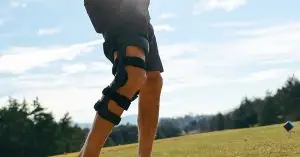
A knee brace can provide much-needed support during the healing process, especially if you’re dealing with instability or weakness. The type of brace you need depends on the severity of your injury:
- Mild Sprains and Strains: A compression sleeve can offer gentle support and improve circulation.
- Moderate Injuries: A hinged knee brace provides stability without limiting mobility.
- Severe Sprains: A rigid brace (immobilizing brace) can protect the knee while ligaments heal.
Our Recommended Brace: the Ascender Unloader Knee Brace
The Ascender Knee Brace offers advanced support for sprains and strains, helping you recover faster while maintaining mobility. It’s lightweight, comfortable, and designed for athletes and active individuals who need extra stability.
4. PHYSICAL THERAPY
Once the initial pain and swelling subside, physical therapy can help you regain strength, flexibility, and range of motion. A licensed physical therapist will design a personalized exercise program to strengthen the muscles around the knee, improve balance and stability, and better prevent future injuries.
Physical therapy is generally only necessary in moderate-severe cases.
5. WHEN TO SEE A DOCTOR
While most knee sprains and strains heal with at-home care, some injuries will require professional medical attention. Seek professional help if you experience the following:
- Severe pain that doesn’t improve with rest or R.I.C.E.
- Persistent swelling or bruising.
- Great difficulty bearing weight on the knee.
- A popping sound at the time of injury, followed by instability.
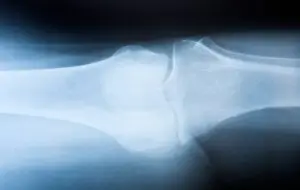
In some cases, imaging tests like X-rays, MRIs, or CT scans may be necessary to assess the extent of the damage. This will be determined by your doctor if you decide to see one.
PREVENTING KNEE STRAINS AND SPRAINS
While accidents happen, you can take precautions to reduce your risk of knee injuries. Implement these preventative measures into your routine to better your chances.
- Warm Up Properly: Always warm up before physical activity to increase blood flow to your muscles and ligaments.
- Strengthen Your Legs: Focus on exercises that build strength in your quadriceps, hamstrings, and calves to support the knee joint.
- Improve Flexibility: Stretch regularly to maintain flexibility in the muscles around your knee.
- Use Proper Footwear: Wear shoes that provide adequate support and cushioning for your activity.
- Listen to Your Body: If you feel pain or discomfort, don’t push through it—take a break and assess your condition.
Taking the Right Approach
Knee sprains and strains can be painful and frustrating, but with the right treatment and care, you can fully recover and get back to your regular lifestyle. We suggest starting with the R.I.C.E. method (unless emergency medical attention is required) and considering the use of a knee brace like the Ascender for rehabilitation and prevention.
Remember, prevention is always better than treatment. Take care of your knees, and they’ll take care of you – whether you’re on the court, the trail, or just going about your day.
Ready to up your knee support game? Explore the Ascender Knee Brace and take the first step toward a life without pain!