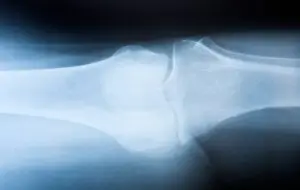
Snowboarding is an exhilarating winter sport – no doubt. Many partake in the thrill of carving down snowy slopes at exhilarating speeds each winter, both professionally and as a hobby. But like any high-intensity sport, it comes with its risks – especially in regards to the knees. The knee joint, a complex structure of bones, ligaments, tendons, and cartilage, is particularly vulnerable to the twists, turns, and impacts of snowboarding.
In this article, we’ll explore how snowboarding affects the knees, the common knee injuries associated with the sport, and how you can better protect your knees while still enjoying the slopes – long term!
The Biomechanics of Snowboarding
Unlike skiing, where both legs move independently, snowboarding requires both feet to be strapped to a single board. This stance requires constant knee flexion and stabilization to maintain balance and control.
KEY MOVEMENTS AFFECTING THE KNEES
- Flexion and Extension: As you navigate the slopes, your knees are continuously bending and straightening to absorb shock and maintain stability.
- Twisting and Rotation: Quick turns and sharp carving require rotational movements, placing stress on the knee joint, particularly the ligaments.
- Impact Forces: Landing from jumps or navigating uneven terrain subjects the knees to significant impact forces.
These biomechanical demands make the knees one of the most stressed joints in snowboarding and place it at the the core of most injuries.
Common Snowboarding Injuries
Snowboarding can lead to various knee injuries, ranging from mild strains to more severe ligament tears. Here are some of the most common:
1. Anterior Cruciate Ligament (ACL) Injuries
The ACL is a key ligament that stabilizes the knee. Snowboarders are at risk of ACL tears due to the rotational forces and sudden stops involved in the sport.
- Cause: Awkward landings, falls, or catching an edge while turning.
- Symptoms: A popping sensation, immediate pain, swelling, and difficulty bearing weight.
2. Medial Collateral Ligament (MCL) Sprains
The MCL runs along the inside of the knee and is responsible for preventing the knee from bending inward.
- Cause: Twisting motions or collisions that push the knee inward.
- Symptoms: Pain along the inner knee, swelling, and instability.
3. Meniscus Tears
The meniscus is a C-shaped piece of cartilage that cushions the knee joint. Twisting motions and sudden stops can cause the meniscus to tear.
- Cause: Sharp turns, rotations, or compressive forces.
- Symptoms: Pain, swelling, stiffness, and a catching or locking sensation in the knee.
4. Patellar Tendinitis (Jumper’s Knee)
This condition involves inflammation of the patellar tendon, which connects the kneecap to the shinbone.
- Cause: Repetitive impact from jumps and landings.
- Symptoms: Pain below the kneecap, especially during activity.
How to Protect Your Knees While Snowboarding
While snowboarding is inherently demanding on the knees, there are several strategies you can use to minimize the risk of injury and keep your knees healthy. These include the following;
1. WARM UP BEFORE HITTING THE SLOPES
A proper warm-up prepares your muscles and joints for the physical demands of snowboarding.
Try This Warm-Up:
- 5–10 minutes of light cardio (e.g., jogging in place or jumping jacks).
- Dynamic stretches like leg swings, lunges, and high knees to activate the muscles around the knee.
2. WEAR A KNEE BRACE
Knee braces provide an additional layer of support and stability, especially if you have a history of knee injuries or are prone to knee pain.
Our Recommended Brace:
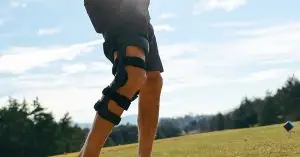
The Ascender Knee Brace offers targeted support for snowboarders, reducing stress on the joint and providing compression to alleviate discomfort. Custom-made for your knee, and with adjustable components, the Ascender is meant to fit like a glove, and provide the support needed, when it’s needed.
3. STRENGTHEN YOUR LOWER BODY
Building strength in the muscles around the knee can improve stability and reduce the risk of injury.
Focus on These Exercises:
- Squats and Lunges: Strengthen the quadriceps, hamstrings, and glutes.
- Deadlifts: Target the hamstrings and lower back for better overall stability.
- Leg Press: Build strength in the quads and calves.
4. IMPROVE YOUR SNOWBOARDING TECHNIQUE
Proper technique can reduce unnecessary stress on the knees.
Tips for Better Technique:
- Keep Your Knees Bent: This helps absorb shocks and maintain balance.
- Engage Your Core: A strong core provides better control and reduces the load on your knees.
- Avoid Over-Rotation: Excessive twisting can strain the knee ligaments.
5. USE THE PROPER EQUIPMENT
The right gear can make a significant difference in reducing knee stress.
Consider:
- Boots with Good Support: Ensure your boots fit well and provide adequate ankle and arch support.
- Shock-Absorbing Bindings: These can help reduce the impact on your knees during landings.
6. LISTEN TO YOUR BODY
Pain is your body’s way of signaling that something is wrong. If you experience knee pain while snowboarding, don’t ignore it.
- Take Breaks: Rest if you feel discomfort or fatigue.
- Seek Medical Attention: If the pain persists, consult a healthcare professional to prevent further injury.
When to Seek a Professionals Help
If you experience any of the following symptoms, it’s essential to seek professional help:
- Persistent knee pain that doesn’t improve with rest.
- Swelling or stiffness in the knee joint.
- Difficulty bearing weight or instability.
Taking on the Slopes Long Term
Snowboarding is a thrilling and rewarding sport, but it can take a toll on your knees if you’re not careful. By understanding the biomechanical demands, taking adequate preventive measures, and listening to your body, you can enjoy the slopes for the long term while keeping your knees healthy and free of pain.
Protecting your knees and making the most of your snowboarding experience requires the right gear, proper technique, and a focus on overall knee health. If you’re looking for a reliable knee brace to support your adventures, contact us.