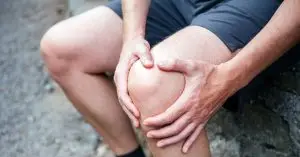
Running is one of the most popular forms of exercise. It helps you stay fit, reduces stress, and boosts your heart health. But if you’re not careful, it can also lead to knee pain or even long-term injuries. In fact, research shows that knee injuries are one of the most common problems for runners, especially beginners and those with poor form.
We care about your mobility and want you to stay active without pain. In this guide, we’ll explain how to run properly to keep your knees safe, strong, and pain-free.
Why Knee Health Matters As a Runner
Your knees are complex joints made up of bones, cartilage, tendons, and ligaments. They support your body weight and absorb shock every time your foot hits the ground. When you run, your knees handle up to four times your body weight with every step.
If your form is off, or your muscles are weak, your knees take on extra stress. This can cause conditions like:
- Runner’s knee (patellofemoral pain syndrome) – pain around the kneecap
- IT band syndrome – inflammation in the tissue on the side of your thigh
- Tendonitis – swelling in the tendons that support your knee
- Osteoarthritis – long-term joint damage caused by wear and tear
The good news? You can avoid most of these injuries by using the right running technique and taking care of your joints.
1. Focus on Good Running Form

Here’s what proper form looks like:
- Head and neck: Keep your head up and eyes looking straight ahead – not down at the ground. This keeps your spine aligned and reduces strain on your back and knees.
- Shoulders and arms: Relax your shoulders and keep your arms bent at a 90-degree angle. Let them swing naturally at your sides without crossing your body.
- Core and hips: Engage your core muscles to stabilize your posture. Your hips should stay level without swaying side to side.
- Legs and feet: Try to land gently on the midfoot, not the heel. Avoid overstriding – your foot should land directly beneath your body.
Running isn’t just about speed – it’s about moving efficiently. Good form protects your joints and helps prevent fatigue and injuries.
Practicing good form not only reduces knee impact but can also help you run faster and more comfortably.
2. Choose the Right Shoes
The right shoes can make all the difference for your knee health. Running shoes are designed to absorb shock, support your arches, and guide your feet through each stride.
When picking running shoes:
- Get a gait analysis: Many running stores offer free analysis to see how your feet move when you run. This can help you find shoes that correct issues like pronation (inward rolling) or supination (outward rolling).
- Match your shoe to your foot type: Flat feet, high arches, or wide feet all need different kinds of support. Wearing the wrong shoe can lead to knee and foot pain.
- Replace shoes regularly: Most running shoes wear out after 300–500 miles, depending on your body weight, running style, and the surface you run on. Worn-out shoes lose cushioning and can lead to joint strain.
Investing in good shoes may seem pricey, but it’s worth it when it comes to avoiding injury.
3. Strengthen the Knee Muscles
Strong muscles act like shock absorbers for your joints. When your legs are strong, they take pressure off the knees, making running smoother and safer.
Here are key muscles to focus on:
- Quadriceps – These muscles on the front of your thighs help stabilize your knees during impact.
- Hamstrings – Located at the back of your thighs, they help with bending the knee and controlling motion.
- Glutes – Strong glutes improve hip alignment and reduce stress on the knees.
- Calves – These help you push off the ground and maintain balance.
You can strengthen these muscles with exercises like:
- Squats and lunges (strengthens quads and glutes)
- Bridges (targets glutes and hamstrings)
- Step-ups (works the entire lower body)
- Heel raises (helps build calf strength)
Doing strength workouts 2-3 times per week can improve your running mechanics and protect your knees from injury.
4. Warm Up and Cool Down
Think of your body like an engine – you need to warm it up before going full speed. A proper warm-up gets your blood flowing, loosens your joints, and prepares your muscles for movement.
Before your run:
- Walk briskly or jog lightly for 5-10 minutes.
- Do dynamic stretches like high knees, butt kicks, and leg swings. These improve mobility and reduce stiffness.
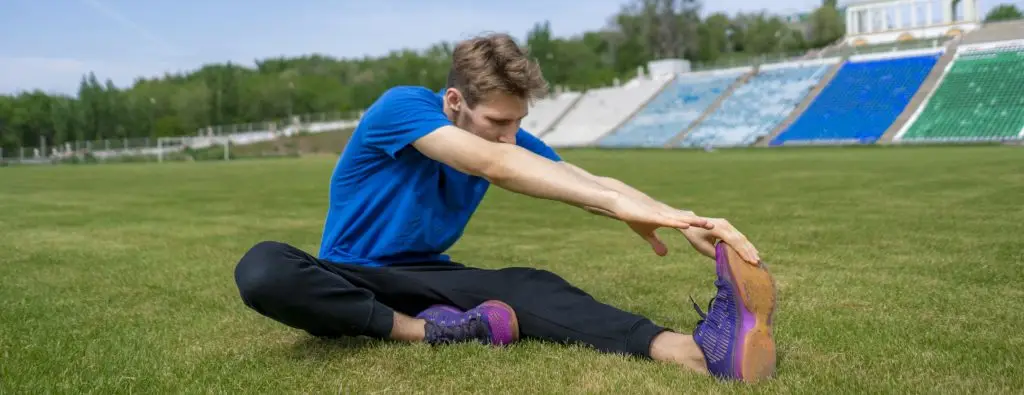
After your run:
- Cool down with 5 minutes of slow walking to lower your heart rate.
- Stretch the major muscle groups, especially your quads, hamstrings, calves, and hips.
- Try static stretches – like touching your toes or doing a quad stretch – holding each one for 20–30 seconds.
Skipping your warm-up or cool-down may save time, but it increases the risk of soreness, stiffness, and knee injuries. Little habits build long term stability.
5. Increase Mileage Slowly
One of the biggest mistakes new runners make is doing too much too soon. Your body needs time to adjust to the stress of running.
Follow the 10% rule: Increase your total weekly mileage by no more than 10% per week. For example, if you ran 10 miles last week, don’t jump to more than 11 miles this week. Also don’t forget to:
- Mix up your runs with easy, moderate, and long days.
- Add rest days or cross-training (like swimming, cycling, or yoga) to avoid overuse injuries.
- Listen to your body. Pain – especially sharp or persistent knee pain – is a sign to rest, not push through.
Ramping up your running intensity gradually helps build endurance and strength while protecting your joints. Be patient with progress!
6. Consider a Knee Brace
If you’ve had past knee problems, or if you want to reduce joint stress while running, a knee brace can offer extra support and protection.
At Icarus Medical, we’ve developed the Ascender Knee Brace, which helps runners by:
- Stabilizing the knee joint
- Reducing pain during movement
- Providing lightweight, comfortable support
- Allowing a full range of motion
Our braces are ideal for people with patellar tracking issues, ligament instability, or mild arthritis. Whether you’re recovering from an injury or just want to prevent one, a brace like the Ascender can help you stay active without worry.
Lifelong Knee Health
Running is great for your body – but only when done the right way. Poor form, weak muscles, or the wrong shoes can all lead to knee pain or injury. But with proper technique, smart training, and tools like knee braces, you can protect your knees and keep running strong for years to come.
Your knees are worth the care. If you’re dealing with discomfort or want to avoid it altogether, consider taking the next step with us. Our knee braces are designed to move with you, for you – allowing you to run comfortably and confidently. Explore our products today to learn more.