Whether you’re a runner, weightlifter, cyclist, or weekend warrior, your quadriceps are working hard behind the scenes. These powerful front-thigh muscles are essential for walking, running, jumping, and squatting. But with great power comes great responsibility – and that includes taking steps to prevent quadricep injuries that can set you back for weeks or months.
Common causes of quad injuries include overuse, poor warm-ups, and explosive or sudden movements without proper preparation. Athletes and active people are particularly vulnerable due to the high demands they place on their bodies.
In this guide, we will walk you through what you need to know to avoid quadricep injuries and keep moving with confidence. Let’s dive in!
What Are the Quadriceps?
The quadriceps femoris – commonly known as the quads – are a group of four muscles at the front of your thigh:
- Rectus femoris (the central muscle that also assists in hip flexion)
- Vastus lateralis (the outermost muscle)
- Vastus medialis (the inner part, sometimes referred to as the “teardrop” muscle)
- Vastus intermedius (beneath the rectus femoris)
Together, these muscles straighten the knee and help absorb shock from activities like running or jumping.
Common Types of Quadricep Injuries
- Strains – These range from mild overstretching to severe tearing of the muscle fibers.
- Tears – Partial or complete ruptures often caused by explosive movements or heavy loads.
- Tendonitis – Inflammation of the quadriceps tendon, usually from overuse or repetitive stress.
- Contusions – Direct blows to the muscle, common in contact sports.
Risk Factors
Several factors increase the likelihood of a quad injury:
- Sudden changes in activity level – Going from couch to 5K without proper buildup.
- Weak or imbalanced muscles – Quads working harder to compensate for underactive hamstrings or glutes.
- Poor flexibility or warm-up routines – Cold, tight muscles are more prone to strain.
- Fatigue and overtraining – Tired muscles lose coordination and resilience.
How to Avoid Quadricep Injury
Now for the reason you are here – how do you avoid quadricep injury? While there are many home remedies and practices that one can implement, they’re often not a one-size-fits-all. Let’s take a look at some.
A. Warm Up and Cool Down Properly
A rushed or skipped warm-up is one of the top causes of muscle injury. Make it a priority to prepare your body before activity.
- Dynamic warm-ups like leg swings, walking lunges, butt kicks, and bodyweight squats get blood flowing and muscles ready.
- After your workout, cool down with static stretching, focusing on the quads, hamstrings, and hip flexors to maintain flexibility and reduce tightness.
B. Strengthen the Quad Muscles
Strong muscles are less likely to get injured. The key is training that’s both balanced and progressive.
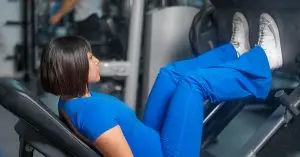
- Great quad exercises include squats, lunges, leg presses, and step-ups.
- Gradually increase your resistance or reps to challenge the muscles without overwhelming them.
- Don’t neglect the hamstrings, glutes, and calves – balanced strength reduces compensatory strain on the quads.
C. Don’t Skip Mobility Work
Tight or stiff muscles are more likely to pull or strain.
- Stretch your quads, hamstrings, and hip flexors regularly.
- Use a foam roller or massage ball to work out knots and improve blood flow.
- Include yoga or mobility drills in your weekly routine to stay loose and limber.
D. Improve Form and Technique
Poor form – especially during high-impact or repetitive movements – is a fast track to injury.
- Whether you’re running, jumping, or squatting, correct form ensures your muscles work efficiently and reduces stress.
- If you’re unsure, consider working with a coach or getting a movement analysis to spot and fix imbalances or misalignments.
E. Cross-Train and Rest Strategically
Even professional athletes take days off – and for good reason.
- Cross-training with low-impact activities like swimming or cycling helps prevent overuse injuries and builds complementary strength.
- Schedule regular rest and recovery days to allow your muscles time to repair and grow stronger.
- Pay attention to fatigue – pushing through exhaustion can do more harm than good.
F. Use Supportive Gear When Necessary
During high-stress activities or recovery phases, supportive gear can play a critical role in injury prevention.
- A well-designed knee brace can provide stability, alignment, and confidence during movement.
- Icarus Medical’s advanced knee braces are engineered to support proper quad and knee function, reducing strain and enhancing recovery.
Signs You're at Risk (and when to take action)
Don’t wait until you’re sidelined. Be proactive if you notice:
- Persistent soreness or tightness in the thigh
- Muscle imbalances between quads and hamstrings
- A history of leg injuries, especially involving the knees or hips
- Reduced range of motion or weakness in the leg
These could be early signs that your quads are overworked, under-supported, or at risk of injury.
What to Do if You Feel a Quad Injury Coming On

If you feel pain or tightness that doesn’t go away, take it seriously.
- Apply the R.I.C.E. method: Rest, Ice, Compression, and Elevation.
- Stop training or reduce intensity to avoid making the injury worse.
- Consult a medical professional if the pain persists, you notice bruising, or you can’t put weight on the leg.
During recovery, consider using a supportive knee brace. Icarus Medical’s braces are designed to offload stress from the quadriceps and stabilize the knee joint, helping you heal safely while staying mobile.
In Summary
Quadricep injuries are absolutely preventable (although not with 100% certainty, of course), and especially with smart training, proper recovery, and proactive care. Remember to:
- Warm up and cool down
- Strengthen and stretch your muscles
- Use correct form
- Cross-train and rest
- Listen to your body and act on early warning signs
We believe in helping you stay strong, mobile, and injury-free with the range of knee brace solutions we have developed. If you’re looking to prevent injury and support your active lifestyle, we would suggest the Ascender. Built with a custom first mentality, weighing in at under 1lb with unloading capabilities of up to 40lbs – it’s a clear decision.