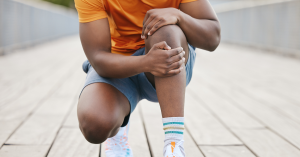
Osteoarthritis (OA) is the most common form of arthritis, affecting millions worldwide. It occurs when the protective cartilage that cushions the ends of your bones wears down over time, leading to joint degeneration. The result? Stiffness, swelling, and pain that can interfere with daily activities, whether you’re walking the dog, climbing stairs, or working out.
While osteoarthritis isn’t curable, there’s good news: its pain can be significantly reduced and managed with the right combination of treatments and lifestyle changes. In this post, we’ll explore a wide range of methods to ease OA pain – from medical interventions to simple at-home strategies.
Understanding Osteoarthritis Pain
Before taking action to reduce osteoarthritis pain, it first helps to understand what osteoarthritis pain is, how it worsens, and why it occurs.
What Causes the Pain?
The discomfort from osteoarthritis stems largely from the breakdown of cartilage in the joints. As the cartilage wears away, bones begin to rub against one another, creating painful friction. Inflammation in the joint, as well as joint instability from weakened muscles or misalignment, adds to the pain.
Commonly Affected Areas
Osteoarthritis can affect any joint, but it most often affects the:
- Knees
- Hips
- Hands
- Spine
These areas endure regular wear and tear throughout the day and one’s life, making them particularly vulnerable to the eventual wearing down of cartilage in these areas.
Factors That Can Worsen Pain
- A sedentary lifestyle can weaken supporting muscles and increase joint stiffness.
- Excess weight adds pressure to weight-bearing joints, especially the knees and hips.
- Poor joint alignment or repetitive stress accelerates joint degeneration.
Lifestyle for Reducing Osteoarthritis Pain
Prevention is always preferred to treatment, and when it comes to osteoarthritis, lifestyle is the most critical factor in it. Let’s take a look at some of the key lifestyle changes and activities that help mitigate the chances of osteoarthritis progressing.
I. Maintain a Healthy Weight
Extra weight means extra pressure on your joints. In fact, losing just one pound of body weight takes about four pounds of pressure off the knees. Maintaining a healthy weight can help slow the progression of osteoarthritis and make daily movement easier.
II. Stay Physically Active
Movement is medicine. Regular, low-impact exercise helps keep joints lubricated, reduces stiffness, and strengthens the muscles that support your joints.
Recommended activities:
- Swimming or water aerobics – low joint impact with high cardiovascular benefits
- Cycling – gentle on the knees while building leg strength
- Walking – consistent, weight-bearing activity that’s accessible to most
- Strength training – especially important for stabilizing joints (e.g., quad strengthening for knee OA)
III. Stretch and Improve Flexibility
Tight muscles can pull on joints, worsening alignment and pain. Incorporating a daily stretching routine can improve your range of motion and ease stiffness. Consider:
- Static stretching after workouts
- Yoga or tai chi for mobility and balance
- Foam rolling for muscle release and joint support
IV. Use Hot & Cold Therapy
Alternating between hot and cold packs can provide significant relief:
- Ice reduces inflammation and numbs sharp pain
- Heat relaxes muscles and improves circulation for stiff joints
Use each method for 15–20 minutes as needed.
V. Improve Sleep & Reduce Stress
Lack of sleep can worsen pain perception, while stress can increase muscle tension and inflammation. Some helpful tips include:
- Establishing a consistent sleep routine
- Using supportive pillows for joint alignment
- Practicing stress reduction through breathing exercises, mindfulness, or gentle activity
Using Supportive Devices
Sometimes, it takes more than just lifestyle changes. In these cases, there are plenty of solutions available in the form of physical supportive devices. Let’s run through the list.
Braces and Supports
Bracing can play a crucial role in reducing osteoarthritis pain by unloading pressure from the joint and promoting better alignment.
At Icarus Medical, our Ascender unloader-style knee brace is designed specifically to reduce stress on affected joints, helping you move comfortably and confidently.
Orthotics and Footwear
Supportive shoes and custom insoles help maintain proper alignment and absorb shock. For those with knee or hip OA, correcting foot posture can prevent further joint strain.
Canes or Walking Aids
When used properly, these tools can take pressure off the joints and improve stability – especially for individuals with moderate to advanced OA.
Medical and Therapeutic Options
When lifestyle changes and supportive devices prove ineffective or insufficient, it may be time to consult a doctor on more intensive measures. These can include injections, medications, and physical therapy, meant to help reduce pain and improve symptoms.

Physical Therapy
Working with a physical therapist allows for a personalized exercise plan focused on strengthening, mobility, and proper movement patterns. Therapists can also teach joint protection techniques and recommend helpful equipment.
Pain Relieving Medications
- NSAIDs (e.g., ibuprofen, naproxen) help reduce inflammation
- Topical NSAIDs can offer localized relief with fewer side effects
- Acetaminophen may be used for short-term pain control
Always consult with your physician before starting a medication regimen.
Injections
- Corticosteroids provide short-term relief by reducing inflammation
- Hyaluronic acid injections add lubrication to the joint, mimicking natural joint fluid
Supplements (Use with Caution)
Some people find relief using:
- Glucosamine and chondroitin (mixed research, but often well tolerated)
- Omega-3 fatty acids for anti-inflammatory benefits
These may help in combination with other treatments, but always check with your healthcare provider first.
Creating a Pain Management Plan That Works
The most effective way to manage osteoarthritis pain is by combining multiple approaches – not relying on a single fix. That might include movement, bracing, sleep improvement, diet changes, and physical therapy.
Consistency is key. Keep a journal to track what works, and stay in regular contact with your healthcare provider to adjust your plan as needed. When conservative treatments no longer provide relief, joint replacement surgery may be an option. However, many patients find that bracing and strengthening can delay or even avoid the need for surgery.
In Summary
Osteoarthritis doesn’t have to control your life.
By taking a proactive and holistic approach – focusing on movement, support, and targeted therapies – you can dramatically reduce pain and improve your quality of life. If you’re looking for supportive bracing solutions designed to reduce osteoarthritis pain and keep you moving, we invite you to explore the Ascender – crafted with osteoarthritis patients in mind.