It’s no surprise that knee pain is a common side effect of snowboarding, and it can arise from various factors, including improper technique, lack of muscle strength, or injury. By addressing these causes with the right techniques and precautions, you can greatly reduce the likelihood of knee pain while snowboarding.
1. Improve Your Snowboarding Technique
Proper technique is crucial to reducing knee strain. Poor form, especially when turning or landing, can lead to unnecessary stress on your knees.
I. Keep Your Knees Bent
One of the most effective ways to protect your knees while snowboarding is to keep them slightly bent throughout the ride. This will help absorb shocks and impacts rather than allowing your legs to lock straight, which increases the risk of injury. Maintain a low, athletic stance, with your weight evenly distributed over both feet. This posture reduces the likelihood of excessive twisting or hyperextension of the knees.
II. Use Proper Weight Distribution
When carving down the slope, make sure to distribute your weight evenly on both feet. Shifting too much weight onto one leg can cause the knee to bear more strain than it should, which can lead to pain or injury over time. Practice balance drills on flat terrain to become more comfortable with controlling your weight and making smoother turns.
III. Avoid Overexertion
Snowboarding for hours without rest can cause fatigue, leading to poor form and increased risk of knee strain. Take breaks regularly to avoid overexertion and give your muscles time to recover. If you’re feeling too tired, it’s best to call it a day and return to the slopes the next day rather than pushing through the pain.
2. Strengthen the Muscles Around the Knee
A major contributor to knee pain while snowboarding is weak muscles surrounding the knee joint. Strengthening the muscles in your legs, particularly the quads, hamstrings, and calves, helps stabilize the knee and absorb impact. Here are some effective exercises to improve strength and prevent knee pain:
- Squats: A fundamental exercise that targets the quadriceps and hamstrings. Perform bodyweight squats or add resistance to increase difficulty.
- Lunges: This exercise works both the quads and the hamstrings while also improving balance, which is essential for snowboarding.
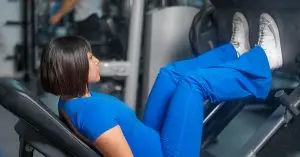
- Leg Presses: Using a leg press machine at the gym can strengthen the quads and hamstrings, helping to support your knees during snowboarding.
- Calf Raises: Building calf strength helps with balance and reduces the impact on your knees when carving or landing.
Incorporating these exercises into your routine will provide more strength and stability for your knees, allowing you to better withstand the demands of snowboarding.
3. Stretch Before and After Snowboarding
Warm muscles are less prone to injury. Make sure to stretch before and after your snowboarding sessions to improve flexibility and reduce the chances of developing knee pain. Focus on stretches that target your quadriceps, hamstrings, calves, and hip flexors, as these muscles are all heavily engaged during snowboarding.
I. Dynamic Warmup
Start with a dynamic warm-up, which includes movements that increase your heart rate and warm up your muscles, such as:
- Leg swings (front to back and side to side)
- High knees
- Walking lunges
- Hip circles
These exercises will prepare your muscles for the activity ahead and improve your mobility and range of motion, reducing the risk of injury to your knees.
II. 'Apres-Ski' Stretch
After your ride, incorporate static stretches to lengthen the muscles you’ve used throughout the day. Hold each stretch for 20-30 seconds without bouncing. Focus on the following stretches:
- Quad Stretch: Stand on one leg, grab your opposite ankle, and gently pull it toward your glutes. Hold the stretch.
- Hamstring Stretch: Sit on the floor with one leg extended. Reach for your toes on the extended leg and hold the stretch.
- Calf Stretch: Stand facing a wall, place one foot behind the other, and press the back heel into the floor. Hold the stretch.
This post-snowboarding routine will help reduce muscle tightness, alleviate knee pressure, and improve your flexibility over time.
4. Wear Knee Support
If you’re prone to knee pain or want added protection while snowboarding, wearing a knee brace or sleeve is an excellent option. A knee brace provides stability and helps prevent excessive movement that could lead to pain or injury. It can also reduce swelling and promote circulation, allowing you to snowboard longer without discomfort.
There are several types of knee braces to consider:
- Compression Sleeves: Ideal for those with mild knee discomfort, compression sleeves provide gentle support and help with blood circulation.
- Unloader Knee Braces: These provide more support for those recovering from an injury or who need additional stability. Unloader braces allow for a full range of motion while controlling excessive twisting or lateral movements.
- Patella Stabilizing Braces: If you experience pain around your kneecap, this type of brace can help keep your patella in place and reduce strain.
5. Choose the Right Snowboarding Gear
Having the right gear is another important aspect of preventing knee pain. Ensure that your boots are properly fitted to avoid knee strain caused by poor alignment or uncomfortable pressure. Ill-fitting boots can lead to compensatory movements that place additional strain on the knees, so make sure they are snug but not too tight.
6. Know When to Rest
Finally, don’t underestimate the power of rest. If you experience knee discomfort or pain, take a break and allow your knee to recover. Pushing through the pain can result in long-term damage and more serious injuries. If you have persistent knee pain, consider seeing a professional for a proper evaluation.
Snowboarding Without Obstruction
Snowboarding doesn’t have to be painful, even when your knees are involved. By using the right techniques, strengthening the muscles around your knees, stretching regularly, and wearing proper knee support, you can minimize the risk of knee pain and enjoy the slopes with confidence. Remember to listen to your body—if something doesn’t feel right, it’s better to rest and recover than to push through and risk a more serious injury.
With these strategies in place, you’ll be able to snowboard pain-free and make the most of every ride.