Knee pain is one of the most frequent joint complaints in the United States, affecting people of all ages, from teens to seniors. Whether it comes on suddenly after an injury, walking the dog, or creeps in slowly over time, knee pain can seriously interfere with your daily quality of life.
The causes of knee pain are varied, ranging from acute injuries and overuse to underlying medical conditions and biomechanical imbalances. Understanding the root cause of your knee pain is the first and most important step toward finding relief and returning to a pain-free life.
In this guide, we’ll explore the most common causes of knee pain, highlight the moments when you should see a doctor, and offer some practical solutions to better manage and prevent knee pain and discomfort.
Understanding the Knees Anatomy
Before diving into causes, it helps to understand what makes the knee such a complex, and sometimes vulnerable joint.
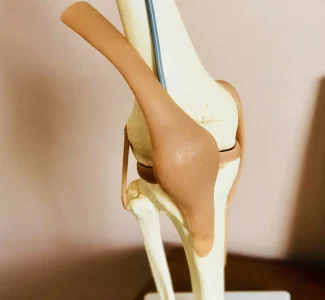
The knee is a hinge joint where three bones meet:
- The femur (thighbone)
- The tibia (shinbone)
- The patella (kneecap)
Holding it all together are ligaments (like the ACL and MCL), which stabilize the knee, and tendons, which connect muscles to bones.
Cartilage cushions the ends of the bones and allows for smooth movement, while bursae – small fluid-filled sacs – reduce friction between tissues.
Because the knee supports your body weight and is involved in nearly every step you take, it’s subject to considerable wear and tear. Its combination of mobility, load-bearing, and structural complexity makes it prone to both injury and degeneration.
Common Reasons for Knee Pain
Knee pain doesn’t come from just one specific cause. It can be sudden or gradual, related to a recurring type of movement, or caused by natural factors. Below, we’ll break down the most common culprits into four categories: acute injuries, overuse conditions, degenerative disorders, and biomechanical issues.
1. Acute Injuries
These are often sudden, traumatic events – think injuries related to sports accidents, falls, or other general accidents.
I. Ligament Injuries (ACL, MCL, PCL, LCL)
Ligaments are tough bands of tissue that keep the knee stable. They can be stretched or torn, particularly during high-impact sports or sudden directional changes.
- ACL injuries are especially common in sports like basketball, soccer, and skiing.
- Symptoms may include a loud pop, immediate swelling, and a feeling that the knee is “giving out.”
II. Meniscus Tears
Each knee has two menisci, rubbery shock-absorbing discs that cushion the joint. A quick twist while bearing weight (like pivoting or squatting) can tear them.
Symptoms include sharp pain, stiffness, and sometimes a sensation of the knee locking or catching. These injuries can also occur in older adults due to degeneration.
III. Fractures or Dislocations
High-impact trauma, such as a car accident or a hard fall, can lead to fractures of the kneecap or other bones in the knee. In rare cases, the knee may also become dislocated.
These injuries are typically very painful and require immediate medical care.
2. Overuse Conditions
When the knee is subjected to repetitive motion without enough rest or recovery, overuse injuries can develop over time. This is common in athletes and those who work in physically intensive careers.
I. Patellar Tendonitis (Jumper’s Knee)
This condition involves inflammation of the tendon that connects the kneecap to the shinbone. It’s especially common in athletes who do a lot of jumping or running.
- Pain usually appears just below the kneecap and worsens with activity.
- Without proper care, it can become chronic.
II. Bursitis
The bursae can become inflamed due to frequent kneeling or repetitive stress, leading to prepatellar bursitis.
- Symptoms include swelling at the front of the knee, tenderness, and warmth.
- It’s often seen in professions that involve prolonged kneeling, like plumbing or construction.
III. IT Band Syndrome
The iliotibial (IT) band is a long strip of connective tissue that runs along the outside of the thigh. When it becomes tight or irritated, it can rub against the outer knee and cause pain.
- Common among long-distance runners and cyclists.
- Pain usually worsens with repetitive knee bending, like running downhill or cycling.
3. Degenerative Conditions
Chronic knee pain is often caused by conditions that result in gradual wear and tear of the joint. Arthritis is the most common, of which there are a few different types to be aware of.
I. Osteoarthritis (OA)
The most prevalent form of arthritis in the knee, osteoarthritis, involves the breakdown of cartilage, causing bones to rub together.
- Typically affects people over 50, but younger individuals with previous injuries can develop it too.
- Symptoms include stiffness (especially in the morning), aching pain, reduced mobility, and swelling.
II. Rheumatoid Arthritis (RA)
Unlike osteoarthritis, rheumatoid arthritis is an autoimmune disease that causes the immune system to attack joint linings.
- It often affects both knees symmetrically.
- Symptoms include warmth, redness, swelling, and prolonged morning stiffness that may last an hour or more.
4. Biomechanical Issues
Even subtle imbalances in your body’s alignment can cause knee pain over time. When disease or injury is not the cause, biomechanical issues may be the reason for one experiencing knee pain.
I. Muscle Imbalance or Weakness
When the muscles surrounding the knee, like the quadriceps, hamstrings, and glutes, aren’t strong enough, the joint may track incorrectly.
- This can lead to patellofemoral pain syndrome or general joint irritation.
Strengthening and conditioning these muscles can help restore proper movement.
II. Flat Feet or Poor Alignment
Your feet act as the foundation for the rest of your body. Flat arches or abnormal walking patterns can increase stress on the knees.
- Custom orthotics and supportive footwear can make a significant difference in reducing pain.
Less Common Causes
While less frequent, these causes should not be overlooked – especially if your pain doesn’t fit the typical patterns.
Infections (Septic Arthritis): Sudden, severe knee pain with fever and redness may signal an infection – seek immediate care.
Gout or Pseudogout: Crystals form in the joint, triggering intense, episodic pain and inflammation.
Baker’s Cyst: A fluid-filled cyst at the back of the knee, often linked to arthritis or a meniscus tear.
Referred Pain: Sometimes the knee isn’t the true source – hip, spine, or nerve issues may refer pain down the leg.
When to See a Doctor
While some knee pain improves with rest and home care, most often when it’s due to a minor strain or sprain, there are specific signs that warrant a professional evaluation. This includes:
- Persistent swelling or warmth
- Knee instability or buckling
- Difficulty bearing weight
- Visible deformity
- Fever or chills (could signal infection)
Early diagnosis often leads to more effective treatment options and a faster recovery. If you suspect that you are suffering from a more serious knee condition or would like the peace of mind knowing that your health is being monitored by a professional, do not hesitate to contact your doctor.
Managing Knee Pain
Whether your knee pain is new or something you’ve been managing for years, there are several approaches that can help improve your condition. Let’s run through some of the most common and effective.
At Home Treatments (and Tactics)

- R.I.C.E. (Rest, Ice, Compression, Elevation) can help reduce swelling and pain
- Over-the-counter anti-inflammatory medications like ibuprofen or naproxen
- Light stretching and low-impact activity to maintain flexibility
Preventative Measures
- Strengthening the supporting muscles around the knee (via targeted exercises)
- Warming up properly before exercise and using correct form
- Cross-training to avoid repetitive stress from a single activity
Supportive Bracing
When movement becomes painful or unstable, a knee brace can help restore function and confidence. We recommend the Ascender for those dealing with chronic knee pain and osteoarthritis, as it is designed with these patients in mind. The Ascender can unload up to 40lbs from the knee, all in a lightweight 1lb brace.
If you would like to learn more about the Ascender, we invite you to visit the info page or contact a member of our team.
In Summary
It’s more than possible to live a life free of knee pain, especially if the pain is detected early and treated effectively. Of course, prevention is always preferred to better avoid the onset or progression of severe knee conditions. However, with the right strategies, care, and a supportive knee brace, patients can mitigate their knee pain at all stages.
If you currently do not have any conditions or active knee pain, we highly recommend implementing a good stretching, warm-up, and cool-down regimen to maintain your health. If you are actively struggling with knee pain, the same advice is applicable; however, further intervention in the form of bracing or medical intervention may be necessary.