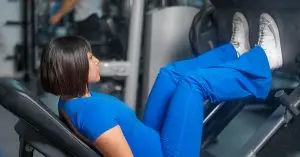
Fluid on the knee, also known as knee effusion, can be uncomfortable, inconvenient, and even painful. If you’ve noticed swelling, stiffness, or a warm feeling in your knee, these might be signs that excess fluid is present. Here, we’ll explore common reasons for fluid buildup, how it might affect you, and some steps you can take to manage it effectively.
What Causes Fluid on the Knee?
Several factors can lead to knee effusion (fluid on the knee), from minor injuries to chronic conditions. Here are a few of the most common causes:
- Injury or Trauma
One of the most frequent reasons for fluid accumulation in the knee is injury. A sudden twist, fall, or impact can damage soft tissues like ligaments or cartilage, causing the body to produce extra fluid as a protective measure. This is common in sports injuries or accidents - Arthritis
Osteoarthritis and rheumatoid arthritis are both major culprits in causing knee swelling. Arthritis wears down cartilage in the knee joint, leading to inflammation and a buildup of fluid. If you’ve noticed your knee is swollen often and accompanied by stiffness, arthritis could be the cause. - Infection
An infection in the knee joint, also called septic arthritis, can cause significant swelling and discomfort. This condition requires urgent medical attention, as untreated infections can lead to severe complications. If your knee feels warm to the touch, appears red, or you’re experiencing fever, it’s important to consult a healthcare provider right away. - Gout
Gout is a type of arthritis caused by a buildup of uric acid crystals in the joints. While it often affects the big toe, it can also cause knee swelling. The pain from gout can be intense, and swelling may come on suddenly. - Bursitis
Your knee has small fluid-filled sacs, called bursae, which help reduce friction and allow smooth movement. If these sacs become inflamed, a condition known as bursitis, fluid can accumulate in the knee. This is usually caused by overuse, especially if you kneel or squat frequently.
Common Symptoms to Note
When fluid accumulates in the knee, there are a range of side effects and symptoms that can arise. If you suspect that you have water on the knee, you might notice one or more of the following symptoms:
- Swelling around or behind the knee
- Pain, especially when bending or extending the joint
- A feeling of warmth around the area
- Limited range of motion
Managing Fluid on the Knee
It’s not easy to treat water on the knee at home, however, there are a handful of best practices and treatment strategies to try before seeking professional help. Therefore, if you’re dealing with knee effusion, here are some ways to help alleviate symptoms and reduce swelling:
- Rest and Elevation
Resting your knee and keeping it elevated can help decrease inflammation and ease discomfort. Try to avoid activities that put extra pressure on the knee. - Cold Therapy
Applying ice packs or cold compresses can reduce swelling and numb the area temporarily. Wrap the ice in a cloth and apply it to your knee for 15–20 minutes, a few times a day. - Using Knee Braces
For more support, knee braces can provide stability and reduce strain. Icarus Medical offers a range of braces designed to support knee health and alleviate pain. Check out our knee braces here to find an option that works best for you. - Consulting a Doctor
If the swelling persists or is accompanied by intense pain or fever, it’s best to consult a healthcare provider. They may suggest further tests or treatments depending on the underlying cause.
Knee Braces as a Tool
If you’re frequently experiencing knee issues, knee braces can help immensely with long-term support and rehabilitation. Our team at Icarus Medical is dedicated to helping you find the right brace to suit your unique needs. Take a look at our product range to see which brace might work best for you, or contact us for a professional recommendation.
In Summary
Fluid on the knee can result from various causes, each requiring different approaches to manage and treat. Whether it’s due to an injury, arthritis, or another condition, understanding what’s causing your symptoms can guide you toward effective relief. And remember, you don’t have to manage it alone – consulting a medical professional and using supportive tools like knee braces can make a significant positive difference in managing your knee pain and health.