
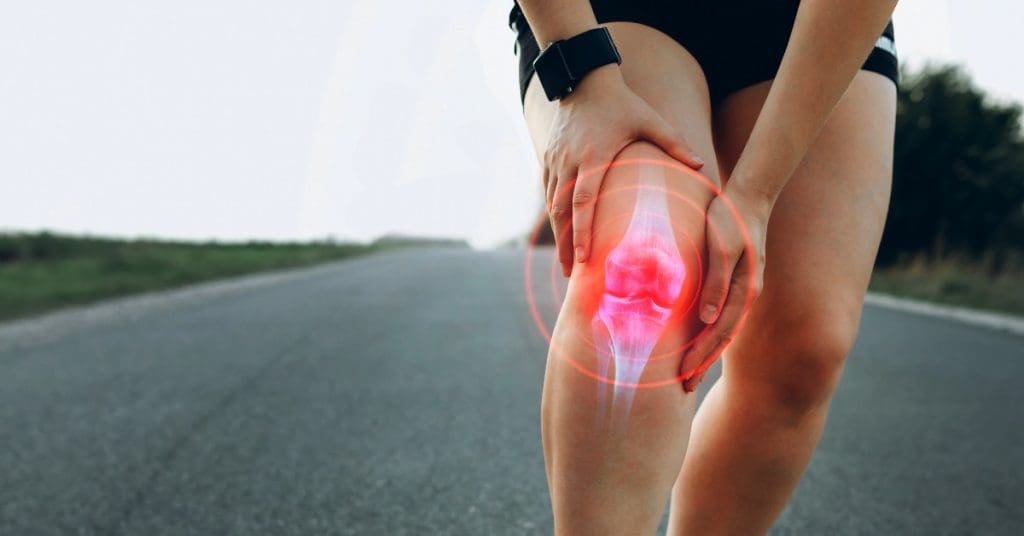
If your knee feels swollen, stiff, or unusually heavy, you might be experiencing a condition known as water on the knee, which is medically referred to as knee effusion. This condition occurs when excess fluid accumulates in or around the knee joint, often leading to discomfort and reduced mobility.
But what causes this fluid buildup, and is it a sign of something serious?
In this article, we’ll explore some of the common reasons for water on the knee, how to recognize the symptoms, and what you can do to manage and prevent it. Let’s get started.
What is Water on the Knee?
Water on the knee happens when the body produces more synovial fluid than the joint can handle. Synovial fluid typically lubricates the knee, reducing friction and allowing smooth movement. However, when there’s an injury, irritation, or underlying medical condition, this fluid can accumulate excessively, causing the knee to swell up. It’s not synovial fluid itself that is the issue, but the excess of it present.
Common Causes of Water on the Knee
Several factors can lead to water on the knee, ranging from acute injuries to chronic health conditions. Here is a breakdown of some of the most common causes.
1. Injuries and Trauma
Sudden impacts, falls, or repetitive strain can cause fluid to build up in the knee as a protective mechanism. Common injury-related knee effusion causes may include the following:
- Ligament Tears: A torn ACL (anterior cruciate ligament) or MCL (medial collateral ligament), which can often lead to immediate swelling and fluid accumulation
- Meniscus Tears: The meniscus is a piece of cartilage that cushions the knee joint. A meniscus tear can irritate the joint, leading to inflammation and a fluid buildup
- Fractures: A broken bone in or around the knee can cause significant swelling as the body acts swiftly to try to protect the injured area
In these cases, swelling typically appears quickly after the injury and may be accompanied by pain, bruising, or limited range of motion. Other issues aside from knee effusion may follow in these cases, which is why it is important to see a medical professional if you believe that you have suffered a knee injury or trauma.
2. Osteoarthritis
Osteoarthritis is a degenerative joint condition where the protective cartilage in the knee gradually wears down over time. This wear and tear can cause the knee joint to become inflamed, prompting the body to produce excess synovial fluid.
The symptoms of osteoarthritis-related knee effusion may include:
- Swelling that worsens after physical activity
- Stiffness, especially in the morning or after sitting for extended periods
- A grinding sensation when moving the knee
Managing osteoarthritis typically involves lifestyle changes, physical therapy, and sometimes the use of knee braces to reduce strain on the joint. In this case, knee effusion may appear more gradually and requires active monitoring.
3. Rheumatoid Arthritis
Unlike osteoarthritis, rheumatoid arthritis (RA) is an autoimmune disorder where the body’s immune system mistakenly attacks the joints. This leads to chronic inflammation and fluid buildup in the knee.
Rheumatoid arthritis-related knee effusion often presents with symptoms such as:
- Swelling in both knees simultaneously
- Redness and warmth around the joint
- Fatigue and general joint pain
The treatment for RA usually involves anti-inflammatory medications, various drugs, and physical therapy to manage symptoms and slow down disease progression.
4. Knee Bursitis
The knee contains small fluid-filled sacs called bursae that cushion the joint and reduce friction. When a bursa becomes inflamed – a condition known as bursitis – it can lead to localized swelling.
The common causes of knee bursitis can include:
- Inflammation due to periods of prolonged kneeling (often seen in occupations like construction or frequent gardeners)
- Direct trauma to the knee
- Infection (septic bursitis)
Rest, ice, and anti-inflammatory medications are often effective in treating bursitis. In more severe cases, a medical professional may need to drain fluid from the affected bursa.
5. Gout
Gout is a type of arthritis caused by the buildup of uric acid crystals in the joints. When these crystals accumulate in the knee, they can trigger sudden and severe swelling, pain, and redness.
Gout-related knee effusion often occurs in episodes, with symptoms appearing abruptly and resolving after a few days. Managing gout typically involves a mixture of dietary changes, medications to reduce uric acid levels, and anti-inflammatory treatments.
6. Infections
A bacterial infection in the knee joint, often known as septic arthritis, can cause rapid swelling and severe pain. Infections may enter the knee through:
- A wound or cut near the joint
- Surgery or a medical procedure
- The bloodstream, from an infection elsewhere in the body.
The symptoms of septic arthritis can include:
- Intense swelling and warmth around the knee
- Fever and chills
- Difficulty moving the joint
Septic arthritis is a medical emergency and requires immediate treatment with antibiotics and, in some cases, joint drainage. Please see a medical professional or visit your local ER immediately if you suspect you are experiencing septic arthritis.
7. Overuse and Repetition
Engaging in repetitive activities, such as running, hiking, or cycling, can irritate the knee joint and lead to fluid buildup. Overuse injuries often develop gradually, with symptoms like mild swelling, stiffness, and discomfort after activity.
To prevent overuse-related knee effusion:
- Incorporate rest days into your routine.
- Use proper technique during physical activities.
- Wear a supportive knee brace to reduce joint stress.
When to See a Doctor
While mild cases of water on the knee may resolve with rest and home care, you should seek medical attention if you experience symptoms such as the following:
- Severe or persistent swelling.
- Inability to bear weight on the knee.
- Redness, warmth, and fever (signs of infection).
- A history of knee trauma with significant swelling or deformity.
Managing and Preventing Water on the Knee
While no tactic is bulletproof, there are some tips and advice available to effectively manage and prevent knee effusion. Let’s go through some of the most effective:
Stay Active: Regular exercise strengthens the muscles around the knee, providing better joint support and helping you reduce the risk of injury or strain leading to water on the knee.
Maintain a Healthy Weight: Excess weight puts additional stress on your knees, increasing the risk of fluid buildup. A regular exercise routine, a balanced diet, and adequate water consumption can all contribute to a healthy weight.
Use Supportive Devices: A high-quality knee brace can provide stability and reduce strain, especially during physical activities. We recommend exploring our line of braces and discovering which could be the right fit for you.
Listen to Your Body: Don’t ignore pain or swelling. Early intervention can prevent minor issues from becoming major problems down the road. Some issues can be self-managed, but do not hesitate to contact your doctor if you suspect something more serious could be present.
Taking Action
Water on the knee can be caused by a range of factors, from injuries and arthritis to infections and overuse. Understanding the underlying causes is essential for effective treatment and your long-term knee health.
If you’re actively dealing with knee effusion or want to protect your knees during physical activities for prevention purposes, consider using a knee brace designed with comfort and high support in mind.
While the best knee brace for knee effusion varies depending on the root cause of knee effusion and one’s biology, we suggest the Ascender Unloader for its powerful unloading capabilities and custom form-fitting design. However, we encourage you to reach out to our team for more information or a more personalized recommendation.