Golf may appear gentle, but the twisting motions of each swing and the walking involved can take a toll on your knees. Whether you’re an avid player or weekend golfer, knowing when a knee brace might help (and when it shouldn’t) can make a real difference in your comfort and performance.
Why Golf Puts Stress on the Knees
The lead knee (left knee for right-handed golfers) absorbs significant rotational force during a swing. Repeated over time, this can lead to inflammation, stiffness, or injury – even without a fall or impact. Research shows that the twisting involved, improper swing mechanics, lack of muscle conditioning, and aging are common contributors to what’s known as “golfer’s knee”.
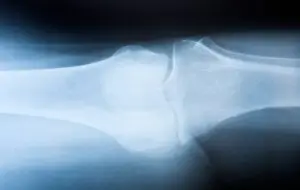
Common Knee Issues from Golf
- Meniscus tears from sudden twists or squatting.
- ACL strain from abrupt pivots.
- Patellofemoral pain (around the kneecap) due to misalignment.
- Tendonitis from overuse.
Potential Benefits of Using a Knee Brace
- Enhanced Stability and Alignment
Braces can help keep the knee joint aligned during the swing, reducing strain, particularly helpful for those with arthritis, tendon issues, or prior injuries - Pain Relief and Reduced Inflammation
Compression sleeves or supports ease discomfort and swelling, supporting recovery from common golf-related knee pain. - Boosted Confidence
Knowing your knee is supported allows you to take your shot without hesitation, leading to smoother swings. - Freedom of Movement
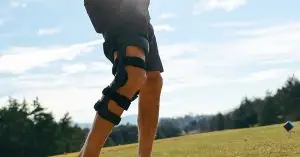
Many modern supports, such as the X Brace or Ascender Unloader offer stabilization without restricting range of motion, allowing a fluid golf swing.
When a Knee Brace Might Not Be the Answer
If the root cause is poor swing technique, weak supporting muscles, or flexibility limitations, then a brace may only mask the issue. Rehabilitation, focusing on strengthening the quadriceps, hamstrings, and improving flexibility, should be the foundation of long-term improvement.
Golf-specific braces are designed to protect against sprains and overuse injuries and provide sensorimotor feedback that enhances coordination during play.
Choosing the Right Brace for Golf
There are plenty of brace options available, but the one you need depends on your specific needs. Let’s look at a few:
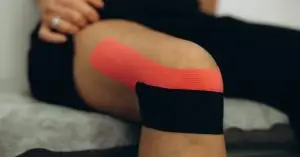
- Compression sleeves suit mild pain and offer warmth & proprioception.
- Hinged braces deliver maximum stability but may limit movement.
- Patellar straps relieve tendon pressure.
Fit is key, measure accurately, consult size charts, and ensure mobility isn’t compromised
Complimentary Strategies

There are a few things you can do before a knee brace becomes necessary. These include: warming up before and cooling down after play with dynamic and static stretches, strengthen leg muscles with squats, leg presses, hamstring curls for example to maintain flexibility.
If you have any continuous pain, please consult your family doctor, primary healthcare provider, or physical therapist for personalized and professional guidance.
What's the Verdict?
A knee brace can be beneficial for golfers experiencing pain, instability, or joint issues, offering support, alignment, and confidence on the course. Yet, it should complement a foundation built on strength, flexibility, and proper form – not replace it. With the right approach and fitting brace, you can keep your knee and your gameplay in better shape.