A knee that feels weak, wobbly, or unstable can be unsettling – especially if you haven’t had a recent injury. Many people assume knee instability must be caused by a torn ligament or a clear traumatic event. In reality, it is very common for the knee to feel unreliable even without a specific injury.
This sensation of weakness or instability usually reflects how the knee is being supported, controlled, and loaded, rather than structural damage alone. Understanding the reasons behind this feeling can help you address it effectively and prevent future problems.
Knee Instability Is Often Functional, Not Structural
The knee depends heavily on muscles, coordination, and joint awareness to stay stable. Even when ligaments and cartilage are intact, the knee can feel unstable if the systems that support it are not working optimally.
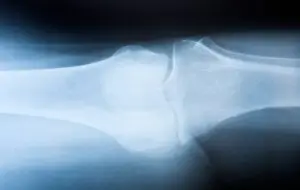
In many cases, imaging studies show little or no structural damage, yet the knee still feels weak. This points to functional instability rather than a torn or ruptured structure.
Muscle Weakness Around the Knee
One of the most common reasons for knee weakness is reduced strength in the muscles that support the joint.
Key muscles involved include:
- Quadriceps
- Hamstrings
- Gluteal muscles
- Hip stabilizers
- Calf muscles
If these muscles are weak, fatigued, or not activating properly, the knee absorbs more stress and may feel shaky during walking, stairs, or standing up from a seated position. Even mild weakness can create noticeable instability, especially later in the day when muscles are tired.
Poor Muscle Coordination and Timing
Stability is not just about strength; it is also about timing. Muscles must activate in the right sequence to guide the knee smoothly through movement.
If coordination is off:
- The knee may feel like it lags behind movement
- Stability may decrease during direction changes
- The joint may feel unreliable on uneven surfaces
This often occurs after periods of inactivity, prolonged sitting, or incomplete rehabilitation from an older injury—even one that seemed minor at the time.
Reduced Proprioception
Proprioception refers to your body’s ability to sense where a joint is in space. This sense helps you move confidently without consciously thinking about every step.
Reduced proprioception can cause:
- A feeling of clumsiness
- Delayed reactions to movement
- Fear of the knee giving way
Proprioceptive decline can happen with aging, inactivity, swelling, or repeated episodes of knee pain. When the brain receives less accurate feedback from the joint, stability suffers even if structures are intact.
Subtle Ligament Laxity
Some people naturally have looser ligaments or develop mild ligament laxity over time. This does not always result in a full ligament tear, but it can allow the knee to move slightly more than ideal.
This extra motion may not be visible on imaging but can still create:
- A sense of looseness
- Fatigue-related instability
- Increased reliance on muscles for control
When muscles tire, the knee may feel especially weak or unstable.
Hip and Ankle Contributions
The knee does not work alone. Limited mobility or weakness at the hips or ankles often forces the knee to compensate.
Common contributors include:
- Weak glute muscles allowing the knee to collapse inward
- Limited ankle mobility altering balance and load transfer
- Poor foot mechanics affecting alignment up the leg
When these issues are present, the knee may feel unstable even though it is not injured.
Inflammation and Joint Irritation
Low-grade inflammation can interfere with muscle activation and joint feedback. Even mild swelling can disrupt how muscles respond, making the knee feel less controlled.
This often explains why the knee feels weaker:
- At the end of the day
- After prolonged standing or walking
- During flare-ups of arthritis or overuse
The weakness is real, but it is driven by irritation rather than damage.
Fear and Protective Movement
Pain or previous discomfort can cause subconscious guarding. When the brain senses potential threat, it may limit muscle output or alter movement patterns to protect the joint.
This protective response can actually reduce stability, creating a cycle where:
- The knee feels weak
- Confidence decreases
- Movement becomes more cautious
- Instability feels worse
Breaking this cycle often requires retraining movement and restoring confidence.
Why Rest Alone Often Does Not Help
Rest may reduce pain temporarily, but it does not rebuild strength, coordination, or proprioception. In some cases, rest can worsen the feeling of weakness by allowing muscles to decondition further.
This is why knee instability often returns as soon as normal activity resumes.
How Supportive Bracing Can Help
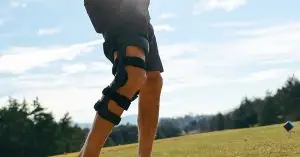
When knee weakness or instability interferes with daily activities, external support can play a useful role. A brace can provide guidance, improve alignment, and enhance joint awareness during movement.
The Ascender knee brace is commonly used in these situations to provide controlled support without overly restricting motion. It helps reduce excessive movement, supports proper knee tracking, and improves confidence during walking, standing, and transitions from sitting to standing.
Bracing is most effective as a temporary aid while strength, coordination, and movement patterns are being addressed.
What Helps Restore Knee Stability
Long-term improvement usually requires a combination of strategies, including:
- Strengthening the quadriceps, hamstrings, and glutes
- Improving hip and ankle mobility
- Balance and proprioceptive training
- Gradual exposure to movement
- Addressing inflammation when present
- Using supportive bracing when appropriate
This approach helps the knee regain both physical and neurological stability.
When to Seek Medical Evaluation
Professional evaluation is recommended if:
- The knee frequently gives way
- Weakness is worsening
- Pain or swelling persists
- Instability interferes with daily life
- There is a history of knee injury or surgery
A clinician can determine whether the instability is muscular, neurological, mechanical, or inflammatory in nature and guide appropriate treatment.
A Broader View of Knee Stability
A weak or unstable knee without injury is rarely a mystery when viewed through a whole-body lens. It usually reflects how muscles, movement patterns, and joint feedback are functioning together.
At Icarus, knee instability is evaluated with attention to strength, coordination, biomechanics, and daily demands. Supportive tools like the Ascender brace are used when helpful, alongside rehabilitation strategies aimed at restoring long-term stability.
Final Thoughts
Feeling knee weakness or instability without an injury is more common than many people realize. It does not necessarily mean something is torn or damaged. In most cases, it signals that the knee needs better support, coordination, or strength.
With the right combination of movement retraining, strengthening, and supportive strategies, it is often possible to restore confidence and stability and return to daily activities without fear of the knee giving way.