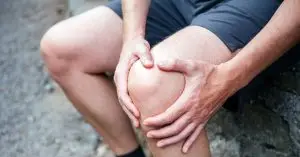
Knee pain while bending is one of the most common complaints people have about their joints. It can affect your ability to squat, kneel, climb stairs, exercise, or even get up from the couch. But why does bending the knee specifically trigger pain?
The answer isn’t always simple – there are multiple potential causes, and they can range from mild and temporary to more serious and long-term. In this article, we’ll break down what could be going on inside your knee, what symptoms to watch for, and when it’s time to seek further medical help.
How Do Knees Function?
The knee is a hinge joint, meaning it primarily moves in one direction, similar to a door, with a slight amount of rotation. Bending your knee (flexion) involves the thigh bone (femur), shin bone (tibia), and kneecap (patella), along with cartilage, ligaments, tendons, and muscles all working together.
When you bend your knee, pressure increases across several key structures:
- The kneecap presses against the thigh bone
- The cartilage between the bones compresses
- Ligaments stretch to stabilize the joint
If any of these parts are irritated, damaged, or misaligned, bending can cause discomfort or sharp pain.
Common Causes of Pain When Bending the Knee
There are several conditions that can cause pain when bending your knee. Below are the most common ones, based on clinical research and patient testimonies.
1. Patellofemoral Pain Syndrome (Runner’s Knee)
This condition causes pain at the front of the knee, especially around or behind the kneecap. It’s common in athletes and individuals who engage in a lot of squatting, jumping, or stair climbing.
The pain often gets worse when:
- Going down stairs
- Sitting for long periods
- Squatting or kneeling
Why it hurts when you bend: As the knee bends, the kneecap tracks over the femur. If it’s misaligned or overused, it irritates the surrounding tissue.
2. Osteoarthritis
Osteoarthritis (OA) is a degenerative condition where the cartilage that cushions the joint wears down over time. This can lead to bone-on-bone contact, inflammation, stiffness, and a grinding sensation.
Why it hurts when you bend: Bending compresses already damaged cartilage and increases pressure in the joint, which may cause pain, swelling, or stiffness – especially after rest.
3. Meniscus Tears
The meniscus is a piece of cartilage that acts as a cushion between the femur and tibia. It can tear during sports, from twisting movements, or simply due to wear and tear as we age.
Symptoms include:
- Sharp pain while bending
- A clicking or locking sensation
- Swelling after activity
Why it hurts when you bend: The torn piece of cartilage can get caught in the joint space during movement, triggering sharp pain or instability.
4. Tendinitis (or Tendinopathy)
Tendinitis refers to inflammation of the tendons around the knee, often caused by overuse. This is especially common in individuals who frequently run, jump, or lift weights.
The most common types include:
- Patellar tendinitis (jumper’s knee)
- Quadriceps tendinitis
Why it hurts when you bend: Tendons stretch during bending movements, and if they’re inflamed, this stretching can be painful.
5. Bursitis
Bursae are small, fluid-filled sacs that cushion the knee. When one of these becomes inflamed (usually due to repeated pressure or kneeling), it leads to a condition called knee bursitis.
Symptoms include:
- Swelling on the front of the knee
- Warmth and tenderness
- Pain while bending, kneeling, or applying pressure
6. Ligament Injuries
Sprains or partial tears in the ACL, MCL, or other knee ligaments can cause instability and pain. This is more likely if the pain came on suddenly during sports or high-impact activity.
Why it hurts when you bend: The joint may be unstable, or swelling in the surrounding area may limit movement and increase pain during flexion.
Less Common Causes
- Plica syndrome (a fold in the joint lining becomes irritated)
- Osgood-Schlatter disease (common in growing teens)
- Baker’s cyst (a fluid-filled cyst that can press on the joint)
- Referred pain from the hip or lower back
If your knee pain persists, worsens over time, or interferes with daily activities, it’s essential to receive an accurate diagnosis.
When to See a Doctor
You should consult a healthcare provider if you are experiencing one or more of the following symptoms:
- Your knee pain lasts longer than a few days
- Swelling, redness, or warmth increases
- You hear popping or feel the knee “give out”
- You’re unable to fully bend or straighten the knee
- The pain disrupts your normal activities
Early diagnosis can prevent further damage and improve your treatment options – so don’t wait too long to get it checked out.
What's the Best Treatment?
Depending on the cause of your pain, a knee brace can be a valuable part of your treatment plan. For example:
- Unloader braces, such as the Ascender Knee Brace, help reduce pressure in arthritic knees by shifting weight away from the affected area.
- Stabilizing braces can help after ligament injuries or meniscus tears by limiting harmful motion.
- Compression braces may help manage mild swelling or tendon irritation.
The key is choosing the right brace for your specific condition – and making sure it fits properly. This is why we developed the Ascender, for people seeking genuine relief – without bulk, slipping, or complicated straps. The Ascender is especially effective for people with osteoarthritis or chronic joint pressure, as it’s designed to offload the most damaged part of the knee.
What makes it different:
- Custom fit: Each brace is made to match your leg’s shape for comfort and support that lasts all day
- Slim design: It fits under pants and moves with you, so you can walk, bend, and work comfortably
- Proven pressure relief: It reduces strain where it hurts most – especially helpful during bending motions like climbing stairs or sitting down
While no brace can fix the root problem on its own, the right one can make a huge difference in your ability to move without pain and recover as best as you can. Knee pain when bending isn’t something you have to “just live with.” From minor irritation to more serious joint problems, understanding the cause of your pain is the first step toward relief.