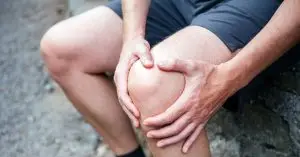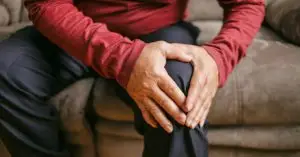
A knee that feels tight, stiff, or locked can be uncomfortable and concerning. Some people notice difficulty straightening or bending the knee, while others feel pressure, resistance, or a sensation that the joint is “stuck.” These symptoms may appear suddenly or build gradually and can occur even without a recent injury.
Understanding what these sensations mean can help you determine whether they are part of a temporary issue or a sign of an underlying knee problem that needs attention.
Tight, Stiff, and Locked Are Not the Same Thing
Although these sensations are often grouped together, they can have different causes.
- Tightness usually refers to resistance from muscles or soft tissues around the knee
- Stiffness often reflects joint inflammation, fluid buildup, or reduced mobility
- Locking can be mechanical, where something physically blocks movement, or pseudo-locking, where pain or muscle guarding limits motion
Identifying which sensation you are experiencing is an important first step.
Why the Knee Commonly Feels Tight
Muscle Tightness Around the Knee
Tight quadriceps, hamstrings, or calf muscles can limit knee motion and create a feeling of pressure or resistance. This is especially common after:
- Prolonged sitting
- Limited stretching or mobility work
- Increased activity without adequate recovery
Muscle tightness does not usually damage the knee, but it can increase joint stress and discomfort over time.
Reduced Circulation and Inactivity
The knee relies on movement to circulate joint fluid and maintain tissue health. When activity decreases, tissues stiffen and fluid movement slows, leading to a tight sensation when you begin moving again.
This pattern is common in the morning or after long periods of sitting.
Why the Knee Feels Stiff
Joint Inflammation and Swelling
Stiffness is often linked to inflammation inside the knee. Swelling increases pressure within the joint capsule, limiting range of motion and creating discomfort.
Inflammation may be caused by:
- Overuse or repetitive strain
- Arthritis
- Minor injury or irritation
- Previous knee trauma
Stiffness often improves gradually with gentle movement as fluid redistributes.
Early Osteoarthritis
In osteoarthritis, cartilage changes reduce the knee’s ability to glide smoothly. This often leads to:
- Morning stiffness
- Stiffness after rest
- Gradual improvement with movement
While stiffness can be uncomfortable, it does not always mean severe joint damage is present.
Why the Knee Feels Locked
Mechanical Locking
True mechanical locking occurs when something physically blocks knee movement. Common causes include:
- Meniscus tears
- Loose cartilage fragments
- Advanced joint degeneration
This type of locking may feel sudden and may prevent full bending or straightening until the knee is repositioned.
Pseudo-Locking
More commonly, people experience pseudo-locking, where the knee feels stuck but is not mechanically blocked. This is usually caused by:
- Pain-triggered muscle guarding
- Swelling limiting motion
- Sudden muscle spasms
Pseudo-locking often resolves with gentle movement, rest, or reduction in inflammation.
Why These Symptoms Often Come and Go
Tightness, stiffness, and locking sensations frequently fluctuate because they are influenced by:
- Activity level
- Inflammation
- Muscle fatigue
- Weather changes
- Recovery quality
This variability can make symptoms feel unpredictable, but it often points to functional rather than structural causes.
Why Rest Alone Is Not Always Enough
Rest can reduce irritation temporarily, but prolonged inactivity may worsen stiffness and tightness. Without restoring strength, mobility, and circulation, symptoms often return once activity resumes.
Balanced movement is usually more effective than complete rest for long-term improvement.
How Supportive Bracing Can Help
When stiffness or locking sensations are linked to instability, swelling, or fatigue-related strain, supportive bracing can reduce stress on the knee during daily activities.
The Ascender is often used in these situations to provide controlled support and improve alignment while allowing natural movement. By limiting excessive motion and enhancing joint awareness, it can help reduce irritation that contributes to stiffness and pseudo-locking, especially during longer periods of standing or walking.
Bracing works best as a supportive measure while mobility, strength, and inflammation are being addressed.
What Helps Reduce Tightness and Stiffness
Effective strategies often include:
- Gentle, regular movement throughout the day
- Stretching tight muscle groups
- Strengthening the quadriceps and glutes
- Improving hip and ankle mobility
- Managing inflammation with ice or heat when appropriate
- Using supportive bracing during flare-ups
A physical therapist can help identify which factors are contributing most to your symptoms.
When Locking Should Be Evaluated
Medical evaluation is recommended if:
- The knee repeatedly locks and cannot be moved
- Locking is accompanied by sharp pain or swelling
- You cannot fully straighten or bend the knee
- Symptoms worsen over time
- There is a history of knee injury or surgery
These signs may indicate a mechanical issue that needs targeted treatment.
A Functional View of Knee Stiffness and Locking
In many cases, tightness, stiffness, and locking sensations reflect how the knee responds to stress, fatigue, and inflammation rather than serious damage. Addressing movement habits, muscle balance, and joint support often leads to meaningful improvement.
At Icarus Medical, knee stiffness and locking symptoms are evaluated with attention to joint mechanics, muscle function, and daily activity demands. Supportive tools such as the Ascender are used when appropriate to reduce strain while restoring healthy movement patterns.
Final Thoughts
A knee that feels tight, stiff, or locked is sending a signal that something is interfering with smooth movement. While this can feel alarming, it is often manageable when the underlying cause is identified.
With the right combination of movement, strength, inflammation control, and supportive strategies, most people can reduce these sensations and regain confidence in their knee. Early attention and a balanced approach can help prevent temporary symptoms from becoming long-term problems.