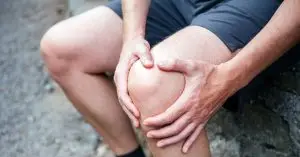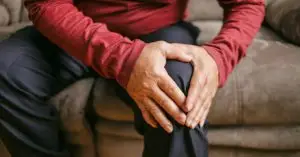
Many people are surprised and frustrated when knee pain returns after a period of rest, recovery, or even after completing treatment. You might feel better after taking time off activity, icing, or resting for a few weeks, only to notice the pain reappear once you resume normal movement. This cycle can make knee pain feel unpredictable and discouraging.
In most cases, recurring knee pain after rest is not a sign that healing failed. Instead, it reflects how the knee responds to inactivity, unresolved mechanics, and underlying contributors that rest alone does not correct.
Rest Reduces Symptoms but Not the Root Cause
Rest is effective at calming inflammation and reducing pain in the short term. When activity decreases, irritated tissues have a chance to settle, swelling goes down, and discomfort often improves.
However, rest rarely addresses the underlying reason the knee became painful in the first place. Issues such as muscle weakness, poor movement patterns, joint instability, or alignment problems remain even when pain temporarily disappears. Once activity resumes, the knee is exposed to the same stresses that caused symptoms initially.
Loss of Strength and Support During Rest
Extended rest often leads to deconditioning of the muscles that support the knee. The quadriceps, hamstrings, glutes, and calf muscles can weaken surprisingly quickly when activity levels drop.
When these muscles are not providing adequate support:
- The knee absorbs more load with each step
- Joint surfaces experience higher stress
- Tendons and ligaments work harder to stabilize the joint
As activity resumes, the knee may become irritated again because it is now less supported than before rest began.
Increased Stiffness After Inactivity
The knee joint relies on movement to maintain lubrication and healthy tissue function. Prolonged rest allows fluid to pool in the joint and connective tissues to stiffen.
When you start moving again after rest, this stiffness can cause:
- Pain with the first steps
- Reduced range of motion
- Increased friction within the joint
This is why knee pain often feels worse when returning to activity after inactivity, even if rest initially felt helpful.
Inflammation That Never Fully Resolved
Rest can reduce inflammation, but it does not always eliminate it completely. Low-grade inflammation may persist beneath the surface, especially in conditions such as tendon irritation, early arthritis, or cartilage wear.
When activity resumes, even normal movement can re-aggravate sensitive tissues, causing pain to return quickly. This does not necessarily mean new damage has occurred, but rather that the tissue was never fully prepared to handle load again.
Unchanged Movement Patterns
One of the most common reasons knee pain returns is unchanged movement mechanics. If the way you walk, stand, squat, or climb stairs places excessive stress on certain parts of the knee, rest alone will not change that pattern.
Common contributors include:
- Weak hip or glute muscles
- Poor knee alignment during movement
- Limited ankle or hip mobility
- Favoring one leg over the other
When activity resumes, the knee is subjected to the same inefficient loading, and pain predictably returns.
Overloading Too Quickly After Recovery
Returning to full activity too quickly is another common trigger for recurring knee pain. Even if pain improves during rest, tissues often need gradual reloading to adapt safely.
Jumping back into high-impact or repetitive activities without a gradual progression can overwhelm recovering tissues and reignite symptoms. This pattern is especially common in athletes and active individuals.
The Nervous System’s Role in Recurring Pain
Pain is not only a structural issue. The nervous system plays a significant role in how pain is perceived. After repeated episodes of knee pain, the nervous system can become more sensitive to signals from the joint.
This heightened sensitivity means:
- Pain may return faster than expected
- Symptoms may feel disproportionate to activity
- Minor stressors can trigger discomfort
This does not mean the pain is imagined. It means the system has learned to be protective after repeated irritation.
Why Bracing Can Help During Return to Activity
When knee pain returns during the transition back to activity, supportive bracing can play a role in managing stress on the joint. A brace can provide stability, improve alignment, and reduce strain while muscles regain strength and control.
In cases where recurring pain is linked to subtle instability, fatigue, or poor tracking, the Ascender knee brace is often used to provide controlled support during movement. It is designed to help reduce excessive joint strain without restricting healthy motion, making it useful during the reconditioning phase rather than as a long-term crutch.
Bracing is most effective when paired with rehabilitation rather than used as the sole solution.
Why Pain Feels Worse After “Successful” Recovery
Many people assume recovery means pain will never return. In reality, recovery often means symptoms are controlled, not eliminated forever. If contributing factors such as muscle imbalance, movement inefficiency, or joint degeneration remain, flare-ups can still occur.
The goal is not just to eliminate pain temporarily, but to build resilience so the knee can tolerate everyday demands without recurring irritation.
What Helps Prevent Knee Pain from Returning
Long-term improvement requires a more active approach than rest alone.
Helpful strategies include:
- Gradual strengthening of supporting muscles
- Improving hip, knee, and ankle mobility
- Correcting movement mechanics
- Gradually reintroducing activity
- Using supportive bracing when appropriate
- Managing inflammation proactively
- Prioritizing recovery and sleep
Addressing these factors reduces the likelihood that pain will return when activity resumes.
When to Seek Medical Evaluation
If knee pain repeatedly returns after rest or recovery, it is a sign that something deeper is contributing to the issue.
Medical evaluation is recommended if:
- Pain returns consistently with activity
- Symptoms worsen over time
- Swelling or instability develops
- Pain interferes with walking, work, or sleep
- Self-directed recovery has not helped
A thorough evaluation can identify mechanical, muscular, or joint-related causes that rest alone cannot resolve.
A More Complete Approach to Knee Recovery
Recurring knee pain is not a failure of rest. It is a sign that the knee needs better support, stronger muscles, or improved mechanics to handle daily demands.
At Icarus Medical, recurring knee pain is addressed by identifying why symptoms return and creating a treatment plan that supports long-term joint function, not just short-term relief. This often includes a combination of movement analysis, rehabilitation, and supportive tools such as the Ascender knee brace when appropriate.
Final Thoughts
Knee pain often returns after rest because rest alone does not rebuild strength, correct movement, or resolve underlying joint stress. While rest is an important first step, lasting improvement requires active recovery and proper support.
Understanding why pain comes back empowers you to take smarter steps forward. With the right approach, it is possible to break the cycle of relief and relapse and move toward more stable, reliable knee health.