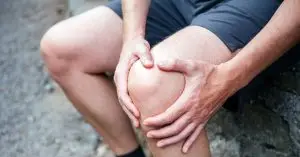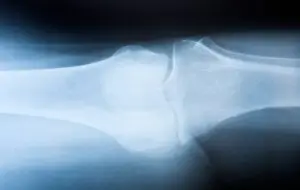
A meniscus tear is one of the most common knee injuries, especially among athletes, active adults, and people who twist or pivot their knee during daily activities. While many meniscus tears can heal with conservative care, choosing the right knee brace during recovery can play an important role in managing pain, protecting healing tissue, and improving confidence during movement.
This guide will walk you through the best knee brace options for meniscus tear recovery, key features to consider, and how to use bracing effectively as part of a broader rehabilitation plan.
Understanding Meniscus Tears
The menisci are two C-shaped pieces of cartilage that act as shock absorbers between the thigh bone (femur) and shin bone (tibia). They help with:
- Distributing load across the knee joint
- Stabilizing the knee during movement
- Protecting cartilage from excess wear
A tear can occur from:
- Sudden twisting or pivoting motions
- Direct contact or impact (e.g., in sports)
- Gradual degeneration with age
Symptoms often include pain, swelling, stiffness, catching or locking sensations, and difficulty bearing weight.
Why Bracing Matters for Recovery
After a meniscus injury, your knee may feel unstable or painful, especially when standing, walking, or navigating stairs. A knee brace can help by:
- Reducing stress on the injured meniscus
- Supporting joint alignment
- Enhancing stability during movement
- Decreasing pain with activity
- Providing confidence as tissues heal
However, bracing should complement – not replace – rehabilitation exercises, activity modification, and clinical care.
Key Features to Look For
Level of Support
Meniscus tear recovery typically benefits from moderate support, which stabilizes the knee without completely restricting motion. Too much rigidity can limit functional movement and slow recovery of strength.
Compression
Compression promotes circulation and helps manage swelling, which is common after meniscus injuries.
Patellar Control
A brace that gently stabilizes the kneecap (patella) can reduce unwanted motion and improve tracking, especially if pain is concentrated around the front of the knee.
Comfort and Fit
A comfortable, properly fitting brace encourages consistent wear—an important part of recovery.
Top Knee Braces for Meniscus Tear Recovery
Moderate Support Hinged Braces
For meniscus tears that cause mild to moderate instability, braces with side hinges provide structured support without over-restricting motion.
Ascender Knee Brace
The Ascender offers controlled stability tailored to recovery. Its design provides supportive reinforcement, unloading up to 40lbs of weight, aiding proper alignment and reducing excess strain on healing meniscal tissue. Paired with rehabilitation, it can improve comfort during daily activity and gentle movement.
DonJoy Performance Bionic Knee Brace
A popular choice for moderate support, this hinged brace helps control lateral and medial motion while allowing natural bending during walking and controlled activity.
Shock Doctor Ultra Knee Support with Bilateral Hinges
This brace provides enhanced stability with adjustable compression and dual hinges, making it useful during early recovery phases when some support is needed during activity.
Compression Sleeves with Support Panels
For meniscus tears that are mild and mainly symptomatic with activity, a compression sleeve with mild stabilizing features can reduce swelling and provide proprioceptive feedback.
Bauerfeind GenuTrain Knee Brace
This sleeve offers targeted compression and gentle stabilization, helping reduce swelling and improve joint awareness during movement.
Physix Gear Sport Knee Compression Sleeve
A comfortable everyday sleeve that helps with swelling and mild discomfort without impeding motion.
Patellar-Focused Support
If your symptoms include patellofemoral discomfort or pain around the kneecap in addition to meniscus irritation, braces that specifically support the patella may help.
Patellofemoral Support Braces or Straps
These devices focus on guiding kneecap movement and reducing pressure on irritated tendon or cartilage structures. They can be particularly helpful if meniscus pain is worsened by kneecap maltracking.
How to Choose the Right Brace
Consider Your Symptoms
- Instability or “giving way”: A hinged brace like the Icarus Medical knee brace or similar moderate support model helps reduce excessive joint motion.
- Swelling and achiness with activity: A compression sleeve or patellar support may offer enough relief.
- Pain around the kneecap: A patellofemoral brace or strap may provide targeted support.
Match the Brace to Your Activity Level
If you are returning to walking, light sports, or daily activities, moderate support braces with hinges offer stability without limiting functional movement. For low-impact daily wear, lighter compression sleeves can be adequate.
Prioritize Fit and Comfort
Proper fit ensures the brace stays in place and works effectively. Take accurate measurements of your leg according to the manufacturer’s guidelines. A poorly fitting brace can slip, chafe, or fail to provide the intended support.
Using a Brace as Part of Recovery
A knee brace is most effective when used in conjunction with:
- Physical therapy and strengthening exercises
- Activity modification to allow healing
- Anti-inflammatory strategies (ice, rest, elevation as appropriate)
- Gradual return to activity under clinical guidance
Bracing supports the knee during recovery but should not replace movement or strength work. Rehabilitation aims to restore strength and stability so that long-term dependence on a brace is minimized.
When to Seek Professional Evaluation
You should consult a healthcare provider if:
- Pain persists beyond a few weeks
- You experience significant swelling or locking
- Your knee feels unstable during walking
- Symptoms worsen despite bracing and rest
A clinician may recommend imaging, a tailored therapy program, or minimally invasive treatments if conservative care is insufficient.
Final Thoughts
A meniscus tear can be painful and slow to resolve, but with appropriate care, most people recover functional knee movement. Choosing the right knee brace – whether it’s a moderate support option like the Ascender, a compression sleeve, or targeted patellar support – can help manage symptoms and make daily activity more comfortable during the healing process.
By pairing bracing with strengthening, proper mechanics, and clinical guidance, you can protect your knee, support recovery, and reduce the chances of recurring pain or reinjury.