If the front of your knee aches when you climb stairs, squat down, or stand up after sitting through a movie, you may be dealing with chondromalacia patella. It’s one of the most common sources of knee pain in active and younger people, and while the name sounds intimidating, the condition is usually manageable once you understand what’s driving it.
What Chondromalacia Patella Is
Chondromalacia patella refers to the softening and gradual breakdown of the cartilage on the underside of the kneecap (the patella). Normally that cartilage is glassy-smooth, letting the kneecap glide effortlessly through a groove at the end of the thigh bone as you bend and straighten your knee. When it softens and roughens, that glide becomes friction — and friction is what you feel as pain and grinding.
Why the Cartilage Wears Down
The most common culprit is faulty tracking. The kneecap is supposed to run straight down its groove, but if it drifts even slightly off-center, pressure concentrates on one part of the cartilage instead of spreading evenly. Over time, that uneven load wears the surface down. Several factors push the kneecap off its ideal path.
Muscle imbalance is a big one. The quadriceps — especially the inner portion near the knee — helps steer the kneecap, and weakness there lets it drift outward. Weak or poorly controlled hip muscles allow the thigh to rotate inward, which throws off alignment from above. Tight structures on the outer side of the knee can tug the kneecap sideways. Overuse from repetitive bending — running, cycling, jumping — piles load onto the joint, and natural variations in anatomy or alignment can make some people more prone from the start. A direct blow or fall onto the kneecap can also kick the process off.
How It Feels
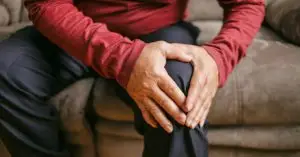
The hallmark is a dull ache at the front of the knee, right around or behind the kneecap. It flares with stairs (especially going down), squatting, kneeling, and prolonged sitting with the knee bent — the last of which is so characteristic it’s nicknamed the “theater sign.” Many people also notice a grinding or crackling sensation, called crepitus, when they bend the knee. Clinicians sometimes grade the cartilage damage from mild softening through to more advanced wear.
How It's Treated
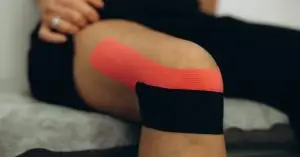
The encouraging news is that chondromalacia is usually treated conservatively, without surgery. The foundation is targeted strengthening: building up the quadriceps and hip muscles restores proper control of the kneecap so it tracks where it should. Physical therapists also work on flexibility, and short-term activity modification lets the irritated cartilage settle. Managing body weight and choosing supportive footwear reduce the load traveling through the joint.
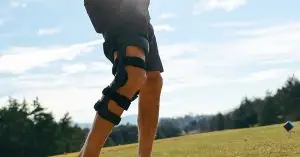
Support can help while you rebuild that control. A patellar-stabilizing brace is designed to gently guide the kneecap along its proper groove, easing the concentrated pressure that irritates the cartilage. For many people, that added stability makes it possible to keep doing rehab exercises and daily activities with noticeably less pain — which keeps the whole recovery moving forward.
When to Check In with a Professional
Persistent pain, swelling, a knee that catches or gives way, or symptoms that don’t improve with a few weeks of self-care all warrant a proper evaluation. Front-of-knee pain has several possible causes, and a physical therapist or physician can confirm what’s going on and tailor a plan to your knee — so you’re treating the actual problem, not just quieting the ache.