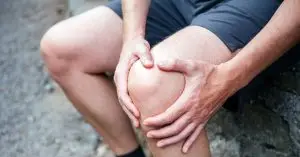
The knee is a hardworking joint, and to reduce friction between its many moving parts, the body relies on small fluid-filled sacs called bursae. When one of these sacs becomes irritated and inflamed, the result is bursitis: a localized swelling that can range from a minor nuisance to a genuinely painful obstacle to daily movement. Understanding which bursa is involved, and why, is the first step toward effective treatment.
What the Bursae Do
A bursa acts as a cushion, allowing tendons, muscles, and skin to glide smoothly over bone rather than grinding against it. Several bursae surround the knee, and each can become inflamed under the right circumstances. When a bursa is healthy, you are entirely unaware of it. When it is inflamed, it can fill with excess fluid and become swollen, tender, and warm to the touch.
Common Types Around the Knee
Prepatellar bursitis affects the bursa directly in front of the kneecap and is historically associated with occupations that involve prolonged kneeling — hence its old nicknames. Infrapatellar bursitis sits just below the kneecap, near the patellar tendon. Pes anserine bursitis occurs on the inner side of the knee, slightly below the joint line, and frequently appears alongside osteoarthritis or in runners. Each location produces a slightly different pattern of pain and swelling, which helps a clinician identify the source.
Why Bursitis Develops
The causes generally fall into a few categories. Repetitive pressure or friction — kneeling, crawling, or prolonged direct contact — is a leading trigger, particularly for prepatellar bursitis. A direct blow or fall onto the knee can provoke acute inflammation. Overuse and altered biomechanics contribute to pes anserine cases. Underlying conditions such as gout, rheumatoid arthritis, and osteoarthritis can also play a role.
One cause demands particular vigilance: infection. When bacteria enter a bursa, often through a break in the skin, the result is septic bursitis, which requires prompt medical treatment. Warning signs include a bursa that is intensely red, hot, and painful, sometimes accompanied by fever or feeling unwell. Any suspicion of infection should be evaluated urgently rather than managed at home.
How It Is Diagnosed
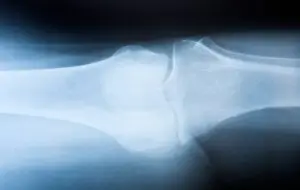
Diagnosing bursitis usually begins with a straightforward physical examination, during which a clinician assesses the location, warmth, and character of the swelling and asks about your activities and history. In many cases that is sufficient. When infection is a possibility, or when the diagnosis is unclear, a sample of fluid may be drawn from the bursa and analyzed, and imaging such as ultrasound or an X-ray can help rule out other sources of pain. Pinpointing which bursa is involved — and whether inflammation, injury, or infection is driving it — is what allows treatment to be targeted rather than generic.
How Bursitis is Treated
For the common, non-infected forms, treatment is usually conservative and effective. The foundation is reducing the irritation that caused the problem: relative rest, activity modification, and protecting the area from further pressure. Ice can ease swelling, and over-the-counter anti-inflammatory medication may help with pain and inflammation, though it is worth confirming suitability with a pharmacist or physician. Gentle compression and elevation support the body’s own resolution of the swelling.
When bursitis is persistent or the swelling is substantial, a clinician may drain excess fluid from the bursa or, in select cases, administer a corticosteroid injection to calm the inflammation. Pes anserine cases often respond well to targeted physical therapy that addresses the underlying mechanics. Septic bursitis, by contrast, is treated with antibiotics and sometimes drainage, underscoring why an accurate diagnosis matters.
Prevention and the Role of Support
Because pressure and friction are such frequent culprits, prevention often comes down to protecting the knee. For those whose work or hobbies involve kneeling, quality knee pads and frequent position changes can make a meaningful difference. Where bursitis coexists with a condition such as osteoarthritis, reducing load through the joint may ease the broader irritation, and supportive strategies become part of a wider management plan rather than a treatment for the bursa alone. Simple adjustments — cushioning a hard work surface, taking regular breaks from a repetitive motion, or correcting a training habit that overloads the joint — often address the root cause more effectively than treating each flare-up in isolation.
Most knee bursitis resolves with patience and sensible self-care. The important exceptions — signs of infection, or swelling that does not improve — deserve professional attention. If you are unsure which category your symptoms fall into, a clinician can confirm the diagnosis and steer you toward the right treatment.