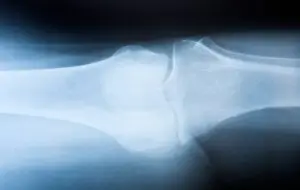
Patellar tracking problems occur when the kneecap (patella) does not glide smoothly within its groove as the knee bends and straightens. Instead of tracking straight, it may drift inward, outward, or tilt, causing irritation, pain, and a feeling of instability—particularly with activities like climbing stairs, squatting, kneeling, or rising from a chair.
For many people, supportive knee bracing plays an important role in managing symptoms, improving kneecap alignment, and reducing irritation during movement. Choosing the right brace for patellar tracking issues depends on your symptoms and activity level.
What Is Patellar Tracking and Why It Matters
The kneecap sits in front of the knee, acting as a lever for the quadriceps muscles and protecting the joint. Proper tracking depends on:
- Balanced muscle strength (especially quads and hip muscles)
- Healthy connective tissue
- Smooth joint surfaces
- Good alignment of the hip, knee, and ankle
When tracking is off, the kneecap can rub unevenly against the thigh bone (femur), leading to:
- Pain around or behind the kneecap
- Grinding, clicking, or popping sensations
- Discomfort with stairs or squatting
- A feeling of the knee “giving way”
How Knee Braces Help With Patellar Tracking Problems
A properly designed brace for tracking issues can:
- Guide the kneecap into a more optimal path
- Reduce focal pressure on irritated cartilage and soft tissue
- Improve proprioception so muscles activate more efficiently
- Reduce pain during movement
- Provide gentle stability without restricting motion
The goal isn’t to immobilize the knee, but rather to encourage proper tracking and reduce aberrant motion that contributes to irritation.
Key Features to Look For
When choosing a brace for patellar tracking problems, focus on:
- Patellar support or buttress — Helps guide the kneecap
- Targeted compression — Reduces swelling and irritation
- Comfortable fit — Ensures you’ll wear the brace during activity
- Mild to moderate stabilizing structure — Improves control without restricting motion
- Durable materials — For daily use or athletic activity
Top Knee Braces for Patellar Tracking Issues
1. Compression Sleeves With Patella Support
Compression sleeves with built-in patellar support gently stabilize the kneecap while providing warming compression. They are ideal for mild to moderate tracking issues and daily activity.
- Bauerfeind GenuTrain Knee Brace
This brace features an anatomically contoured knit and a supportive patellar pad that helps guide the kneecap while providing comfortable compression and proprioceptive feedback. - Shock Doctor Knee Compression Sleeve With Patella Support
A flexible sleeve with a patellar buttress that helps center the kneecap and reduce anterior knee pain with walking, stair use, or light activity.
2. Patellar Support Straps and Wraps
Patellar straps or wraps sit just below the kneecap and reduce tension on the patellar tendon and surrounding tissues. They often improve tracking by changing where force is applied during movement.
- Cho-Pat Dual Action Knee Strap
Dual bands provide targeted pressure to the patellar tendon, reducing strain and improving tracking comfort with activities like running or stairs. - Adjustable Patellar Wraps
Wrap-style supports allow you to fine-tune pressure around the patella and tendon for personalized comfort and guidance.
3. Functional Support Braces
When patellar tracking problems come with mild instability or mechanical discomfort, a functional support brace helps reduce unwanted motion while still allowing natural movement.
- Icarus Medical Ascender Knee Brace
The Ascender offers functional stability and control that can improve mechanics during walking, standing, and activity. It provides more structural support than a sleeve or off-the-shelf brace alone while still allowing flexible motion—a balance that’s especially helpful if tracking issues occur alongside mild instability or fatigue. - Mueller Adjustable Knee Brace With Patellar Support
An adjustable brace with targeted support elements that help guide the kneecap and reduce tracking-related irritation during activity.
4. Hinged Braces With Patella Control
For individuals whose tracking issues are accompanied by occasional giving way, ligament laxity, or mild instability, a hinged brace with a patellar guide can offer both stabilization and corrective pressure.
- DonJoy Playmaker II With Patella Support
A hinged design with patellar support zones that help control side-to-side motion while encouraging better kneecap alignment during dynamic movement.
How to Choose the Right Brace
Match the Brace to Your Symptoms
- Mild tracking discomfort: A compression sleeve with patellar support often provides enough guidance and comfort.
- Anterior knee pain with activities: Patellar straps or wraps help reduce tendon tension and irritation.
- Tracking with mild instability or fatigue: A functional support brace like the Icarus Medical Ascender brace offers balanced stability and tracking help.
- Tracking plus mechanical instability: A hinged brace with patellar guidance may be best for added motion control.
Fit Is Key
Accurate sizing ensures that the brace:
- Stays in place during movement
- Delivers compression where it’s needed
- Does not cut off circulation or slip
- Feels comfortable for extended wear
Follow the manufacturer’s sizing guide and measure around your knee as instructed.
Use During Activity
For tracking problems that flare with walking, stairs, or exercise, wear the brace during activity rather than only at rest. Bracing is most effective when it supports the knee during the moments it is under load.
Bracing as Part of a Broader Plan
While knee braces reduce symptoms and improve tracking mechanics, they work best when paired with corrective exercise and mobility work. A physical therapist can guide you through:
- Strengthening the quadriceps and hip muscles
- Improving leg alignment and movement patterns
- Addressing any ankle or hip mobility limitations
- Reducing compensations that contribute to tracking issues
When to Seek Medical Help
Consider professional evaluation if:
- Pain persists despite consistent bracing and activity modification
- The knee locks, gives way, or catches during movement
- Swelling or significant stiffness develops
- Symptoms limit daily function
A clinician can assess for cartilage damage, ligament issues, or mechanical causes that may require targeted intervention.
Final Thoughts
Patellar tracking problems can be uncomfortable and limiting, but the right knee support can make a meaningful difference. Whether you need a compression sleeve with patella support, a patellar strap or wrap, an unloader brace like the Ascender, or a hinged design with patella control, choosing a brace that fits your symptoms and activity level is key.
Combined with targeted exercise and movement training, supportive bracing helps guide the kneecap more efficiently, reduce irritation, and improve comfort during everyday activities and athletics.