When your knee becomes swollen, warm, stiff, or painful, arthritis is often the first thing people worry about. While arthritis is a common cause of knee inflammation, it is far from the only one. Many people—especially active adults—experience knee inflammation for reasons that have nothing to do with joint degeneration.
Understanding the most common non-arthritic causes of knee inflammation can help you respond appropriately, reduce flare-ups, and avoid unnecessary worry.
What Knee Inflammation Really Is
Inflammation is the body’s protective response to stress, irritation, or injury. In the knee, this often shows up as:
- Swelling or puffiness
- Warmth around the joint
- Stiffness, especially after rest
- Pain with movement or pressure
Inflammation is not inherently bad, but when it becomes frequent or prolonged, it can interfere with movement and daily activities.
Overuse and Repetitive Strain
One of the most common causes of knee inflammation is simple overuse. Repetitive loading without adequate recovery irritates soft tissues and joint surfaces over time.
Common overuse contributors include:
- Sudden increases in walking, running, or training volume
- Repetitive squatting, kneeling, or stair use
- Prolonged standing on hard surfaces
- Poor movement mechanics during activity
Overuse inflammation often builds gradually and worsens with continued activity, improving with rest but returning once activity resumes.
Patellar Tendon Irritation
Patellar tendon irritation, sometimes referred to as patellar tendinopathy, affects the tendon connecting the kneecap to the shin bone. It commonly causes inflammation just below the kneecap.
This condition is often triggered by:
- Jumping or landing activities
- Repeated stair climbing
- Squatting or kneeling
- Sudden increases in training intensity
Pain is usually localized and worsens with activity rather than at rest.
Bursitis
The knee contains several small fluid-filled sacs called bursae that reduce friction between tissues. When these bursae become irritated, bursitis develops.
Common forms include:
- Prepatellar bursitis (in front of the kneecap)
- Pes anserine bursitis (inner knee below the joint)
Bursitis often causes visible swelling and tenderness and is frequently associated with prolonged kneeling, direct pressure, or repetitive irritation.
Muscle Imbalances and Poor Mechanics
Inflammation can occur even without excessive activity if movement patterns are inefficient. Weak or poorly coordinated muscles change how force moves through the knee, increasing tissue stress.
Common contributors include:
- Weak quadriceps or glute muscles
- Tight hip flexors or hamstrings
- Poor hip or ankle mobility
- Inward knee collapse during movement
These issues often lead to recurring inflammation that improves temporarily but returns unless mechanics are addressed.
Residual Effects of Old Injuries
Past knee injuries—even ones that seemed minor—can leave behind subtle changes in movement, strength, or joint control. These changes can increase irritation during daily activity.
Inflammation may result from:
- Old ligament sprains
- Prior meniscus irritation
- Incomplete rehabilitation
- Lingering instability or weakness
In these cases, inflammation reflects compensation rather than new damage.
Meniscus Irritation Without a Tear
Not all meniscus-related inflammation involves a tear. The meniscus can become irritated through repetitive loading, compression, or twisting.
Symptoms may include:
- Joint line tenderness
- Swelling after activity
- Stiffness or discomfort with bending
This type of irritation often improves with activity modification and improved movement control.
Prolonged Inactivity and Stiffness
While overuse is a common trigger, prolonged inactivity can also contribute to inflammation. When the knee isn’t moving regularly, circulation slows and joint fluid is less evenly distributed.
This can lead to:
- Stiffness after sitting
- Discomfort when standing up
- Mild swelling with resumed movement
This pattern is especially common in people with desk-based work or long travel periods.
Why Inflammation Often Comes and Goes
Non-arthritic knee inflammation frequently fluctuates. Symptoms may:
- Worsen after busy days
- Improve overnight or with rest
- Return with activity or fatigue
This pattern usually points to mechanical or load-related causes rather than progressive joint disease.
How Supportive Bracing Can Help
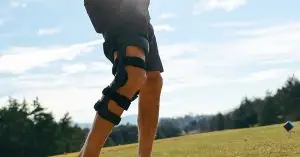
When inflammation is driven by overuse, instability, or inefficient movement, supportive bracing can reduce stress on irritated tissues during daily activities.
The Ascender knee brace is often used in these situations to provide controlled support and improved alignment while still allowing natural movement. By reducing excess motion and improving joint awareness, it can help limit irritation during walking, standing, or repetitive tasks—especially during flare-ups.
Bracing is most effective when used alongside movement correction and recovery strategies, not as a standalone solution.
What Helps Reduce Non-Arthritic Knee Inflammation
Effective management often includes:
- Activity modification rather than complete rest
- Gradual return to movement
- Strengthening key muscle groups
- Improving hip and ankle mobility
- Managing workload and recovery
- Using supportive bracing during higher-demand periods
Addressing the underlying cause is essential to preventing repeated flare-ups.
When to Seek Medical Evaluation
While many causes of knee inflammation are manageable, medical evaluation is recommended if:
- Swelling is severe or persistent
- Pain worsens despite rest and modification
- Locking, catching, or instability occurs
- Redness, warmth, or fever is present
- Symptoms interfere with daily life
A clinician can help rule out infection, structural injury, or inflammatory conditions that require targeted treatment.
A Broader Perspective on Knee Inflammation
Knee inflammation is often a signal that something in your movement, workload, or recovery needs attention—not necessarily that your joint is degenerating. Identifying non-arthritic causes allows for more targeted and effective solutions.
At Icarus Medical, knee inflammation is evaluated with attention to activity demands, movement mechanics, and tissue load. Supportive tools such as the Icarus Medical knee brace are used when appropriate to reduce irritation while addressing the root cause.
Final Thoughts
Knee inflammation does not automatically mean arthritis. Overuse, tendon irritation, bursitis, muscle imbalances, and movement inefficiencies are far more common causes—especially in active or working adults.
By understanding what’s driving inflammation, adjusting activity, improving movement, and using supportive strategies when needed, most people can reduce symptoms and protect long-term knee health without invasive intervention.