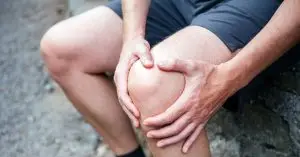
For a long time, knee osteoarthritis was filed away as something to worry about in your seventies. So it can come as a shock to hear the diagnosis in your forties, or even late thirties. If that’s you, you’re not an outlier. A meaningful share of osteoarthritis diagnoses now happen in younger adults, and understanding why can help you take the condition seriously without panicking about it.
What Knee Osteoarthritis Actually Is
Osteoarthritis is the gradual breakdown of the smooth cartilage that caps the ends of your bones inside the joint. As that cushion thins, the bones underneath take on more load, the joint can become inflamed, and you feel it as stiffness, aching, and pain that tends to worsen with activity. It’s often described as “wear and tear,” but that phrase undersells how much the process is driven by biology, load, and past injury rather than age alone.
Why Younger Adults are Being Diagnosed
The single biggest driver is post-traumatic osteoarthritis. If you tore an ACL, injured a meniscus, or fractured near the joint in your teens or twenties, that history significantly raises your odds of developing osteoarthritis years later — often on an accelerated timeline. The surge in youth and recreational sports over recent decades means more adults are now reaching their forties with those old injuries behind them.
Body weight is another major factor. Every extra pound translates to several pounds of force through the knee with each step, so carrying additional weight over years steadily raises the mechanical load on the joint. Occupational demands play a role too: jobs that involve heavy lifting, repeated kneeling, squatting, or long hours on hard floors expose the knee to cumulative stress.
Genetics and joint alignment matter as well — some people are simply predisposed, and bowed or knock-kneed alignment concentrates pressure on one side of the joint. Finally, part of the shift is simply better detection. Imaging is more accessible than it used to be, and clinicians are more willing to name early osteoarthritis rather than dismiss it as a vague “knee problem.”
Why an Early Diagnosis is Good News
It rarely feels like good news in the moment, but catching osteoarthritis early gives you the most leverage. Osteoarthritis progresses slowly and unevenly, and the choices you make now — around movement, strength, weight, and load management — genuinely influence how the next decades unfold. The goal shifts from “cure” to smart, long-term management that keeps you active and, where possible, delays more invasive interventions.
Managing It in Your 40s
Strengthening the muscles around the knee, especially the quadriceps and hips, helps share the load the cartilage can no longer fully absorb. Low-impact activity such as cycling and swimming keeps the joint moving without pounding it. Even modest weight loss can noticeably reduce knee pain because of that multiplied-force effect. These foundations do a lot of the heavy lifting.
When osteoarthritis affects mainly one side of the joint, an unloader brace can help by gently shifting pressure away from the worn compartment and onto the healthier side. For younger adults trying to stay active and postpone or avoid knee replacement, offloading the painful compartment can be a practical way to keep training, working, and moving with less pain.
Built for You
Our team at Icarus Medical designs custom, lightweight unloader knee braces built using a 3D scan of your leg — engineered to offload the affected compartment while staying comfortable enough for everyday wear. If you’re managing early osteoarthritis and want to stay active, explore your options.
Osteoarthritis in your forties isn’t a life sentence to pain — it’s just information you need to consider. With the right combination of strength work, load management, and support, many people keep doing what they love for a very long time. A conversation with your doctor or physical therapist is the best place to build a plan around your specific knee. Reach out while it’s still early stages — your knee will thank you.