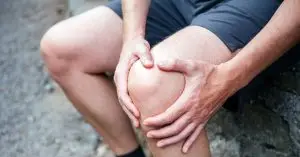
Athletes in sports built around jumping and rapid changes of direction — basketball, volleyball, and many others — are familiar with a particular kind of ache at the front of the knee, just below the kneecap. Known commonly as jumper’s knee, or patellar tendonitis, it is one of the most frequent overuse injuries in active people. It is also frequently misunderstood, which can lead to treatment that prolongs the problem rather than resolving it.
What Is Actually Happening
Despite the familiar “-itis” name, which implies simple inflammation, the condition is usually better described as a tendinopathy: a breakdown in the structure of the patellar tendon from repeated overload, more degenerative than inflammatory in nature. This distinction is not academic. It explains why anti-inflammatory measures alone often disappoint, and why the cornerstone of recovery is a carefully managed program of loading that helps the tendon rebuild its capacity.
Where and How It Hurts
The pain of jumper’s knee is characteristically located at the lower pole of the kneecap, where the patellar tendon attaches. Early on, it may appear only after activity. As it progresses, it can show up during warm-up, linger through a session, or interfere with sport and daily movement alike. The tendon may feel stiff, particularly in the morning or after periods of rest, and pressing on the affected spot often reproduces the discomfort.
Why It Develops
At its heart, jumper’s knee is a problem of load exceeding the tendon’s capacity to recover. Sudden spikes in training volume or intensity are a classic trigger — ramping up too quickly after a break, for example. Repetitive, high-force loading from jumping and landing accumulates stress over time. Contributing factors include tight or weak thigh and calf muscles, limited ankle mobility, and individual differences in biomechanics that concentrate force through the tendon.
How It Is Treated
The instinct to rest completely is understandable but often counterproductive, because tendons need appropriate load to strengthen. Instead, treatment centers on relative load management — reducing the aggravating activity while introducing structured strengthening. Progressive resistance work, including slow, controlled exercises that load the tendon deliberately, is widely regarded as the most effective approach, typically guided by a physical therapist. Addressing flexibility, movement mechanics, and any training errors rounds out the plan. Above all, recovery takes patience: tendons remodel slowly, and rushing the process tends to backfire.
Bracing and Support Options
Bracing plays a supporting role rather than a curative one, but it can be genuinely helpful. The most common device is a patellar tendon strap — a simple band worn just below the kneecap that applies gentle pressure across the tendon. By altering how force is distributed along the tendon, many athletes find it reduces pain enough to keep training productively. Knee sleeves offer warmth, mild compression, and a sense of proprioceptive feedback that some find reassuring during activity. It is worth emphasizing that these tools manage symptoms and support the real work of rehabilitation — they are not a substitute for the loading program that actually resolves the underlying tendinopathy.
Stages of Severity
Clinicians often describe patellar tendinopathy in stages that reflect how much the pain interferes with activity. In the earliest stage, discomfort appears only after exercise and settles with rest. As the condition advances, pain may arrive during warm-up and ease once the tissue is warm, only to return afterward. In more established cases, pain persists throughout activity and can begin to affect performance and everyday movement. Recognizing where you fall on this spectrum is useful, because earlier stages generally respond more quickly, while more advanced cases demand greater patience and a more carefully graded return to loading.
Preventing a Recurrence
Once the tendon has settled, the goal shifts to keeping it healthy. The principles that resolve jumper’s knee are the same ones that prevent it: increasing training load gradually rather than in sudden jumps, maintaining strength in the thigh and calf, preserving mobility at the ankle and hip, and respecting the tendon’s need for recovery between demanding sessions. Athletes returning to sport benefit from a progressive reintroduction of jumping and cutting rather than an abrupt return to full intensity. Building these habits into a routine is far less costly than repeatedly rehabilitating the same injury.
Jumper’s knee responds well to informed, patient treatment, but it punishes the temptation to simply push through the pain. If discomfort persists, worsens, or begins to limit your activity, a physical therapist or sports medicine physician can confirm the diagnosis and design a loading program suited to your tendon and your sport — the surest route back to jumping without paying for it afterward.