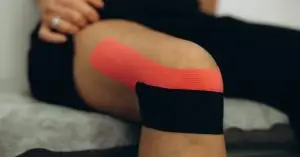
Recovering from knee surgery is a journey – from injury to treatment and post-injury recovery. It requires a degree of patience, dedication, and of course – the right support. Whether you’ve undergone something as major as an ACL reconstruction, a meniscus repair, a knee replacement, or another procedure, proper post-operative care is essential to ensure a successful and full recovery and the fully regained function of your knee.
This guide will walk you through the different parts of post-op knee support, from understanding the healing process to selecting the right knee brace and how to adopt strategies to speed up your recovery.
The Post-Operation Healing Process
After knee surgery, your body goes through several stages of healing. Understanding these phases, when they are in effect, and how to work with them can greatly help you manage your recovery, and in a more effective way.
- Inflammatory Phase (0–2 Weeks Post-Surgery):
- This initial phase generally involves swelling, redness, and a feeling of discomfort as the body begins the healing process.
- Rest and ice therapy are crucial during this time to reduce inflammation.
- Proliferative Phase (2–6 Weeks Post-Surgery):
- The body starts to repair damaged tissues by forming new collagen fibers.
- Gentle range-of-motion exercises and physical therapy typically begin during this phase.
- Remodeling Phase (6 Weeks to Several Months):
- The new tissue strengthens and adapts to normal knee movements.
- Strengthening exercises and increased activity help restore function.
Why Post-Operative Knee Support is Key
There are a multitude of reasons why knee support after an operation is crucial, with the proper knee support after surgery, one can expect the following:
- Stabilize the Joint: Protect the knee from unwanted movements that could disrupt healing.
- Reduce Pain and Swelling: Compression from a knee brace can alleviate discomfort and minimize swelling.
- Enhance Mobility: Supportive devices allow you to move safely during recovery.
- Prevent Re-injury: A knee brace can help prevent accidental falls or movements that might damage the healing tissues.
Choosing the Right Knee Brace for Post-Operative Support
Not all knee braces are created equal. Selecting the right brace depends on the type of surgery you’ve had, your recovery stage, and your specific needs.
1. Immobilizer Brace
An immobilizer brace helps keep the knee completely straight and immobilized, often used immediately after surgery or serious injury.
It’s generally best for ACL reconstruction, patellar tendon repair, or other procedures requiring strict immobilization.
2. Unloader Knee Brace
An unloader knee brace takes the pressure off of the affected knee, aiding in the healing process by reducing the chances of reinjury or healing complications.
It’s best during a gradual transition from immobilization to controlled mobility during the proliferative phase. We recommend the Ascender, a custom brace with the ability to unload up to 40lbs from the knee – and covered by most insurance companies.
Post-Operation Knee Support Strategies
In addition to wearing a knee brace, several other strategies can support your recovery:
1. Elevation and Ice Therapy
Why Does It Help?
Reduces swelling and inflammation by promoting fluid drainage from the knee.
How Do I Do It?
– Elevate your leg above heart level for 20–30 minutes, 3–4 times a day.
– Apply an ice pack wrapped in a towel for 15–20 minutes at a time.
2. Physical Therapy
Why Does It Help?
Restores strength, flexibility, and range of motion in the knee.
What to Expect?
– Your physical therapist will guide you through exercises tailored to your specific surgery and recovery stage.
– Focus on strengthening the quadriceps, hamstrings, and glutes, which support knee stability.
3. Pain Management Solutions
Why Does It Help?
Managing pain effectively allows you to participate in rehabilitation exercises and improve mobility.
Options:
- Over-the-counter pain relievers like acetaminophen or ibuprofen (as recommended by your doctor).
- Prescription medications for more severe pain.
Note: Avoid over-reliance on painkillers, as masking pain could lead to overexertion and re-injury.
4. A Gradual Return to Activity
Why Does It Help?
Gradually increasing your activity level ensures the knee adapts to new stresses without compromising healing.
Our Tips:
- Follow your surgeon’s and physical therapist’s guidelines for returning to weight-bearing activities.
- Avoid high-impact activities like running or jumping until cleared by your healthcare provider.
5. Stay On Top of Nutrition
Why Does It Help?
Proper nutrition provides the building blocks for tissue repair and helps to reduce inflammation. Below are some of the key nutrients that you should be looking for:
Key Nutrients:
- Protein: Supports tissue repair and muscle growth.
- Omega-3 Fatty Acids: Reduce inflammation and promote healing.
- Vitamin C: Enhances collagen production for stronger connective tissue.
- Calcium and Vitamin D: Support bone health and joint function.
- Suggested Foods: Lean meats, fish, eggs, leafy greens, nuts, seeds, and dairy products.
Signs of Complications
While most knee surgeries have a smooth recovery, complications can arise. Seek medical attention if you experience any of the following:
- Excessive Swelling: Swelling that doesn’t improve with rest and elevation.
- Severe Pain: Pain that worsens instead of improving over time.
- Fever or Redness: Signs of infection, such as warmth, redness, or pus around the incision site.
- Limited Mobility: Difficulty moving the knee despite following your rehabilitation plan.
When to Consider Advanced Support
If you’re struggling with knee stability or experiencing prolonged pain during recovery, consider a specialized knee brace like the Ascender. Designed for protection, prevention and comfort, it can help you regain confidence and mobility during the critical stages of healing.
Final Thoughts
Recovering from knee surgery requires the right tools and level of support – all of which are by no means impossible to attain. By understanding the healing process better, using a knee brace suited for you, and following a comprehensive rehabilitation plan, you can set yourself up for a successful recovery and a return to the activities you love.
We’re committed to helping you every step of the way. Explore our range of knee braces and recovery solutions to find the support you need and deserve. We invite you to discover our recommended product, the Ascender – don’t hesitate to contact our team if you have any inquiries, questions or concerns.