Running a marathon is an impressive physical and mental feat that requires months of preparation, perseverance, and dedication. While the challenge of completing a 26.2-mile race is formidable, it is also incredibly rewarding. This journey to the finish line, however, can put significant stress on the body—especially the knees. Knee injuries are one of the most common issues that marathoners face, but they are not inevitable. Taking preventive measures and being mindful of how you treat your body can significantly reduce your risk of knee injury and help you stay on track.
Here’s how marathon runners can avoid knee injury and stay healthy throughout their training and beyond.
Understanding the Impact of Running on the Knees
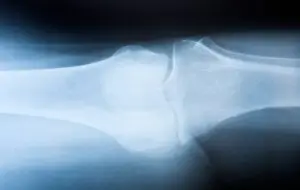
Before diving into prevention strategies, it’s important to understand why knee injuries are so common among runners. When you run, the repetitive pounding of your feet on the ground generates significant force, which is absorbed by your joints, particularly the knees. The knee joint is a complex structure made up of bones, cartilage, ligaments, and tendons, all working together to provide stability and movement. However, when subjected to repetitive stress, these structures can become strained, leading to conditions such as runner’s knee, patellar tendinitis, and iliotibial band syndrome (ITBS).
Factors such as running form, muscle imbalances, improper footwear, and overtraining can all contribute to knee injuries. Fortunately, many of these risk factors are within your control, and with the right approach, you can help protect your knees from injury.
Proper Training Techniques
One of the most effective ways to prevent knee injuries is by following a well-structured training plan. Marathon training is about gradually increasing your mileage over time, not jumping into long distances too quickly. This gradual buildup allows your muscles, joints, and connective tissues to adapt to the increased demand, reducing the risk of overuse injuries.
I. PACING AND REST
A good rule of thumb is to increase your weekly mileage by no more than 10%. This prevents your knees from being overloaded and gives your body time to recover between runs. Rest days are just as important as running days. Adequate rest allows your body to repair itself, reducing the risk of injury. Be mindful of overtraining, which can lead to cumulative wear and tear on the knees.
II. CROSS TRAINING
Incorporating cross-training activities like cycling, swimming, or strength training into your routine can help reduce the strain on your knees while still building cardiovascular fitness. These activities allow you to maintain fitness without the constant pounding of running, giving your knees a much-needed break.
Strengthening Supporting Muscles
Strong muscles surrounding the knee joint, including the quadriceps, hamstrings, glutes, and calves, are crucial for stabilizing the knees and absorbing shock. When these muscles are weak or imbalanced, the knee joint is forced to absorb more of the impact, increasing the risk of injury. Incorporating regular strength training exercises targeting these muscle groups can help distribute the load more evenly and protect the knees.
I. FOCUS ON THE HIPS AND CORE
It’s easy to focus solely on the legs when thinking about knee health, but strong hip and core muscles are equally important. Your hips control the alignment of your knees and lower legs, so weak hips can lead to poor running form and increased knee strain. Core exercises like planks and hip-strengthening exercises such as clamshells and lateral leg raises can help improve your alignment and reduce knee stress.
Stretching and Flexibility
Maintaining flexibility in the muscles surrounding the knee joint is essential for injury prevention. Tight muscles can pull on the knee joint, creating imbalances and increasing the likelihood of injury. Stretching after every run can help maintain flexibility and reduce the risk of tight muscles contributing to knee problems.
I. FOCUS ON THE IT BAND AND QUADS
Two key areas to target are the iliotibial (IT) band, a thick band of connective tissue that runs along the outside of the thigh, and the quadriceps. Tightness in either can lead to knee pain, particularly around the kneecap. Foam rolling is a great way to release tension in the IT band and quads, and incorporating stretches like the standing quad stretch and pigeon pose can keep these areas loose.
Choosing the Right Gear
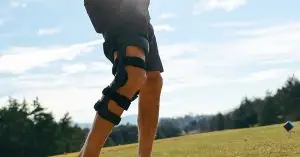
The right pair of running shoes, paired with a supportive knee brace, can make a world of difference in protecting your knees from injury. Marathoners should prioritize shoes that offer the appropriate amount of cushioning and support based on their foot type, running style, and terrain, as well as a knee sleeve or knee brace that provides comfort and adequate support.
I. REPLACE WORN SHOES
Worn-out shoes can lose their cushioning and shock-absorbing properties, increasing the strain on your knees. It’s important to replace your shoes every 300 to 500 miles, depending on the wear pattern and how often you run. Visiting a specialty running store for a gait analysis can help you find the best shoe for your specific running mechanics.
II. CONSIDER ORTHOTICS
If you have flat feet or high arches, you may benefit from custom orthotics or insoles designed to provide additional support and alignment. These can help distribute weight more evenly across your foot, reducing the impact on your knees.
Listening to Your Body
Perhaps the most important tip for avoiding knee injury as a marathoner is learning to listen to your body. While pushing through discomfort is often seen as a badge of honor among runners, ignoring persistent pain can lead to more serious injuries down the line. If you experience knee pain that doesn’t go away after a few days of rest or worsens during your runs, it’s crucial to address it early.
SEEKING PROFESSIONAL HELP
If knee pain persists, consulting a medical professional, such as a physical therapist or sports medicine doctor, can help you identify the root cause of the problem and develop a treatment plan. In some cases, wearing a knee brace, such as the ones designed by Icarus Medical, can provide additional support and alleviate pain during training.
Protecting Your Knees Long-term
While knee injuries are a common concern for marathon runners, they are not inevitable. By following proper training techniques, strengthening your supporting muscles, maintaining flexibility, and using the right footwear, you can significantly reduce your risk of injury and enjoy a long, successful running career. And remember—taking care of your knees today will not only help you cross the finish line in your next marathon but also ensure that you can keep running for years to come.